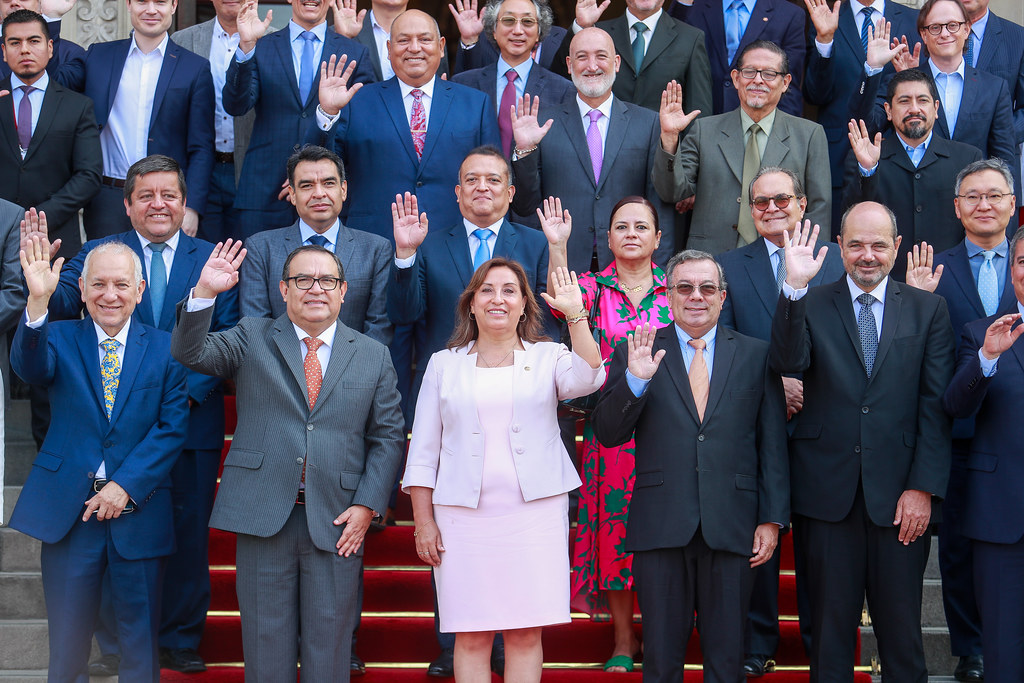

“At all times, I called for unity, for working together, and for fighting for our country,” asserted Dina Boluarte, the former president of Perú, after being impeached by Congress. On October 10, former head of Congress, José Jeri, was sworn in as interim president, until elections are held on April 2026.
The fall of Boluarte came after Congress invoked a constitutional clause that established that the presidency was vacant due to “permanent moral incapacity”. The vote was unanimous, passing 122–0.
She was elected in 2021 as vice president under the left-wing party Perú Libre. Initially seen as a moderate within the party, Boluarte was later expelled for “ideological betrayal.” In December 2022, she assumed the presidency following the arrest of her predecessor, Pedro Castillo, after his attempted coup.
Boluarte initially pledged to call early elections and serve only as a “transitional president,” but she later backtracked, aiming to remain in office until the 2026 elections, which led to deadly protests where 49 civilians were killed.
This marked the beginning of a presidency filled with scandal and the lowest approval rating in recent history, plummeting from 21% to 2–4%.
What led to her impeachment was growing public dissent over the surge in organized crime. Between 2019 and 2024, extortion cases increased sixfold and homicides doubled. The tipping point came on October 8, when a group of men on motorcycles opened fire with machine guns at a concert by a popular cumbia band in Lima, injuring several members.
Boluarte was accused of failing to curb rising crime, with some experts also alleging that she shielded political allies and undermined efforts to prosecute organized crime. Other accusations included accepting Rolex watches as bribes and leaving her post for cosmetic surgery.
Although she was initially backed by a coalition of right- and center-wing parties, as the 2026 election approached, her association became a political liability. On October 9, her main contenders, Keiko Fujimori and Rafael López Aliaga, withdrew their support, clearing the path for her impeachment.
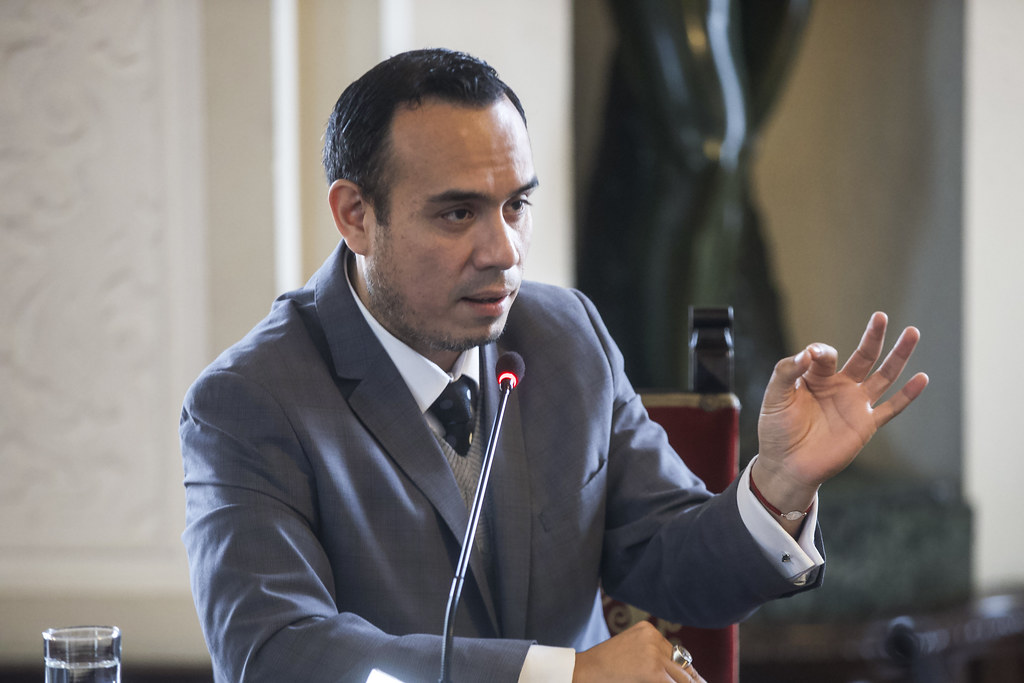
Now, all eyes turn to José Jerí, who became Peru’s youngest president and one of the youngest heads of state globally. The 38-year-old conservative lawmaker from Somos Perú party made his first pledge upon taking office: to “declare war on crime,” stating that “the main enemy is out there on the streets: criminal gangs.”
He studied at the state-run Federico Villarreal National University and later earned a law degree from a private university. He entered Congress as a substitute for former president Martín Vizcarra and became President of Congress in July 2025.
As his presidency begins, Jerí is already entangled in controversy, facing accusations of both sexual assault and corruption.
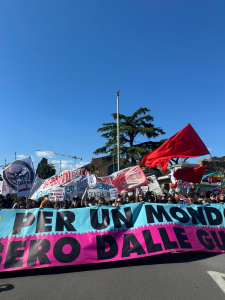
Political analyst Nicholas Watson raised concerns about Jerí’s inexperience as he faces the immediate challenge of upcoming anti-government protests. A national strike and mass demonstration, initially focused on Boluarte, is scheduled for October 15 and is expected to proceed, expressing widespread discontent with Peru’s political class and demanding action on insecurity and the economic crisis.
Citizens, particularly from Generation Z, have already voiced strong rejection of Jerí, largely due to the series of allegations against him, declaring they “do not recognize Jerí as our legitimate representative, we know your history, José Jerí and the values you represent,” and vowing to “expel this corrupt pact … that imposes on us an immoral president.”
Jerí is Peru’s 7th president since 2016, highlighting the country’s relentless political turmoil and the immense challenges ahead as a young, controversial leader steps in amid widespread distrust and unrest.