
There are performances one watches, and others that one endures like a disease — in silence, caught breath, slowed heartbeat. Macbeth Inferno by Compagnia Corrado D’Elia, staged in Milan on October 24th, was exactly that kind of theater. It wasn’t a play to be followed. It was something to be endured, a fever dream, a dark ritual to survive.
What unfolded was not Shakespeare retold, but Shakespeare unleashed: a plunge straight down into ambition, guilt, and ruin. Director Corrado D’Elia said it himself before the show: “We didn’t want to stage Macbeth. We wanted to stage the place where Macbeth falls.”
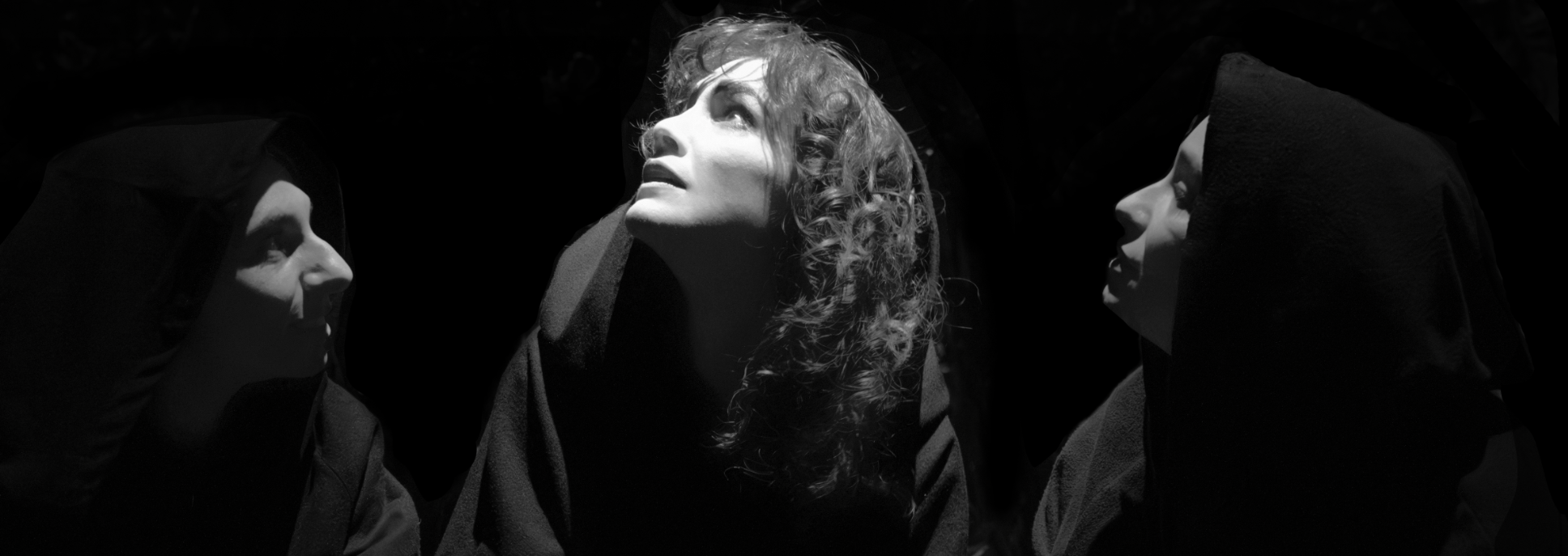
The experience envisioned was not that of a traditional narrative translation, but that of a visual, sensorial, and ritual journey into the abyss of will and damnation. And that was clear from the beginning: no velvet curtains, no gentle opening. The stage sat in a ring of ash and iron. Smoke curled up from the floor. The air stung of burned wood and damp stone. Off in the dark, a drumbeat stumbled along, awkward and distant — like a heart trying to give up. Lady Macbeth wasn’t a wife; she was some dark priestess calling fate down instead of fighting it. Macbeth himself was stripped bare, already doomed. Words slipped into chanting, and scenes blurred together.
“It felt like watching someone’s nightmare unfold in front of you,” Giulia said, clutching her scarf as if the cold on stage had crept into her bones. Two rows back, Marco, an architecture student, just shook his head. “I didn’t get every word, but I felt it in my gut.” This sentiment reached even people that already fled the theater, like Sir Bellini, gray-haired, a regular at Milan’s theatres. “This wasn’t Macbeth. It was something older. Something pagan, maybe. I don’t know if I loved it. But I definitely won’t forget it,” he said, letting out a sigh.
Beyond its pagan dreamscape, the show spoke to something painfully modern — the raw hunger for power and the ache of ambition. In the foyer, a young woman whispered to her friend, eyes wide and stunned: “It’s not about kings or prophecies. It’s about us, and what happens when desire eats up the last bit of light inside of you.”
When it ended, nobody clapped right away. The silence hung there, thick, as if nobody dared to break the spell. Then the applause came — slow at first, then steady, almost like a prayer.
Macbeth Inferno wasn’t there to comfort anyone. It was confrontational, haunting, and unusually sincere. Shakespeare’s words turned to smoke and heartbeat, and the real tragedy wasn’t dying — it was watching someone’s soul catch fire on its way there.