
In the heart of Rome, almost unnoticed, a quiet decline is taking place, the fading of a precious heritage: craftsmanship.
The workshops that once formed the lifeblood of the city’s neighborhoods now struggle to survive, squeezed between technologies, the rise of online platforms, and new consumer habits. Yet it takes very little to rediscover the last remaining artisans: you just need to sharpen your gaze, listen carefully to what’s around you, and have the courage to put your phone aside, even for a few moments. That’s when you might meet those who still resist, guardians of a tradition on the verge of disappearing.
Pietro, a man in his sixties with a lined face and calm eyes, is one of them. After a long military career, he got into jewelry-making, following a deeply personal calling. “I chose to follow the rhythm of my breath,” he says, referring to the slow, meditative pace that defines his work. In his workshop, near Piazza Navona, every ring and pendant is born from a silent process that mirrors the depth and delicacy of true craftsmanship.
Not far away, Luigi continues his family’s three-generation legacy of violin making. His workshop resonates with the soft sound of freshly tuned strings. Beside him works a young apprentice, learning patiently as Luigi passes on his knowledge through that precious quality of stealing the craft with your eyes. Here, a protected space far from the rush of the streets outside, passion and knowledge are handed like a fragile yet living inheritance, keeping the thread between generations intact. The apprentice’s training happens slowly, with patience and dedication, respecting the long rhythms of the activity.
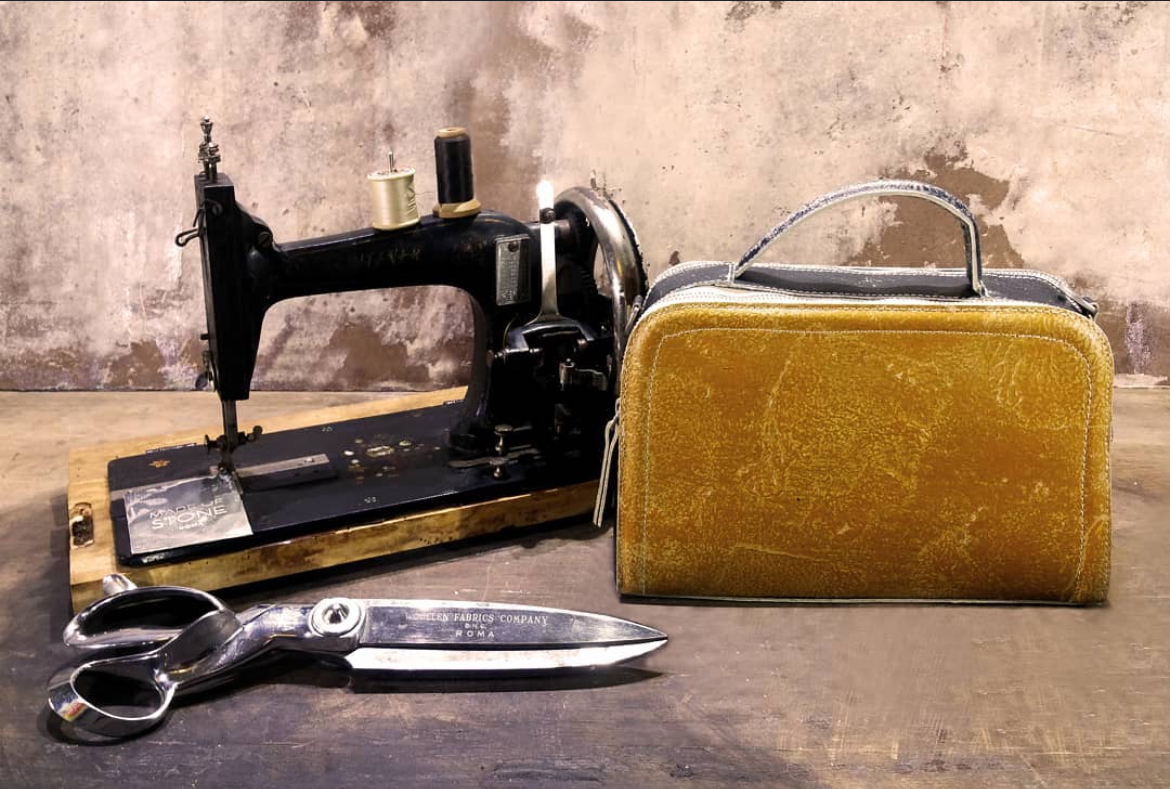
A different story is told by Emiliano, a leather artisan who reimagined his craft through contemporary lens. Rather than simply preserving tradition, he has chosen to embrace modern habits and tools, blending innovation with his manual skills. “I’ve never seen innovation as a betrayal of the past,” he explains. “On the contrary, I believe it’s the best way to keep my art alive.”
For him, experimenting with new ways of communicating and promoting his work means reaching audiences who might never have discovered him otherwise. This openness hasn’t ruined his attention to the details. Instead, it has enriched his crafts, creating a constant dialogue between past and future. For Emiliano, innovation means giving new voice and visibility to inherited skills while staying rooted to his origins.
At the end of this journey through Rome’s workshops, one thing becomes clear: craftsmanship still breathes life into the city, often quietly. In every gesture and every story, there is hope and resilience. The passion and skill of these artisans can still surprise, adapt, and endure.
Perhaps the future of craftsmanship lies exactly here: in the courage to transform tradition into something new, keeping memories and creativity alive.