
While the war between Israel and Hamas was still ongoing, three Israeli university students – Omer Shimon, Rachel (pseudonym) and Daniel (pseudonym) – all in their early twenties, moved to Rome for an exchange semester. About a month after their arrival in Italy, the two sides agreed to a ceasefire. For them, life back home feels far away and different from everyday Rome, yet the conflict follows the students wherever they go.
In Italy, the focus on the war – and the strong emotional reactions and engagement from people across the political spectrum – has made them feel more sensitive to express their Hebrew and Israeli identity in everyday situations. “I’m really afraid if someone asks me where I’m from. If I say Israel, I feel like I have to explain myself, and sometimes it’s just easier to say Malta or Greece,” admits Rachel. She goes on to explain an uncomfortable situation that occurred in Tuscany a couple of weeks ago: “I was in a market and a friend of mine told me something in Hebrew. Then a guy said something like ‘Israel go away, go away’, and we became afraid that the whole market would know our nationality and that maybe they would attack us, but I know I’m paranoid…” says Rachel.
The current situation also influenced the choice of destination for the semester abroad for some: “It was one of the things I thought about before I chose Rome. In France and Spain there are a lot of Muslims who don’t like us. I thought of a country that is more calm and more Christian, where we can feel safer,” says Shimon.
The three students agree that being surrounded by people with different views can be challenging: “Once I got to know other Israelis, I felt a unique sense of community. Those people understand you much better than anyone else,” says Daniel. He adds that for others it is hard to grasp their stories, but that media portrayals help explain the contrast of views. “For us, what happened on the 7th of October is something we feel all the time. Other people say ‘oh, but it’s been two years’, it’s history for them. They only see what’s happening in Gaza, only their side. I can understand what they feel because it’s hard to see what’s going on, but we feel other things. I think they don’t understand and they don’t want to talk about it,” remarks Rachel. She adds: “At home, we don’t see a lot of what has happened in Gaza. We are constantly reminded of the hostages and every soldier that has been killed”.
The semester abroad has also shifted perspectives for the students. “I feel that my thoughts have changed a little since moving to Rome. Now I can see what’s happening in Gaza – I didn’t see that before. However, I still think it’s all in the hands of Hamas,” remarks Rachel.
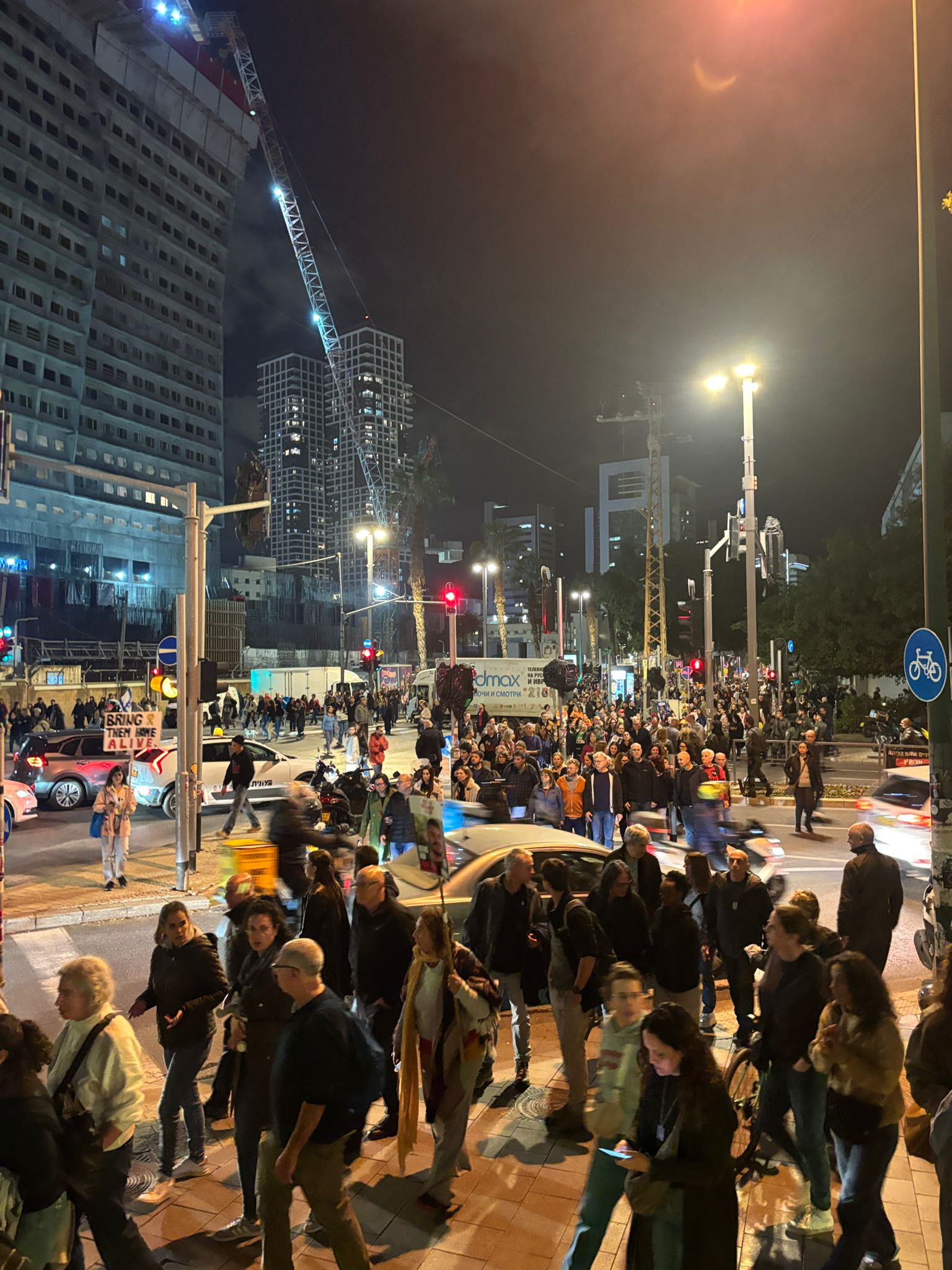
The three students hope that people will understand specifics they feel are missed or misunderstood. “I feel that people think that Hamas has some sort of legitimacy. They are terrorists and use schools and hospitals to store their weapons. Before Israel attacked an area, we encouraged Palestinians to move away from the target zone. Many times, Hamas stopped them from doing so, because they wanted to show the world that Israel was committing a murder. We don’t want this war, to hurt civilians; we want to live in peace. But until the Israeli hostages in Gaza are released, the war won’t end,” explains Daniel. The students share how they have participated in weekly demonstrations for the last two years, with the goal of bringing the hostages back home and end the war.
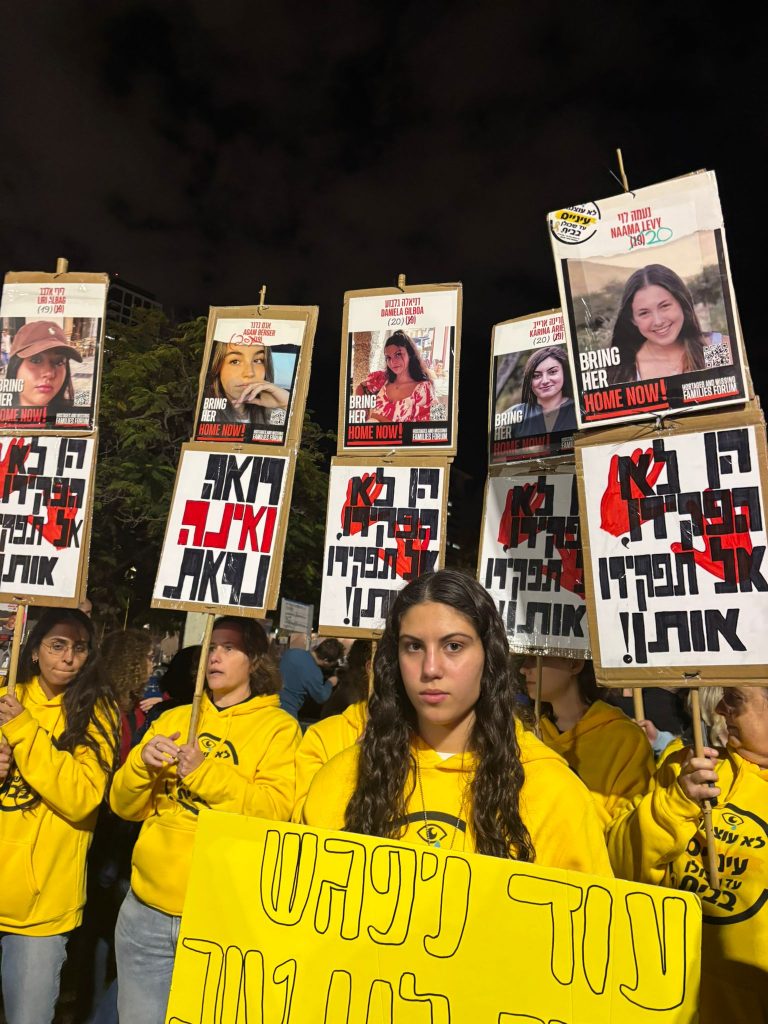
On October 11 2025, Israel and Hamas agreed to a ceasefire that required Hamas to return Israeli hostages in exchange for the release of nearly 2,000 Palestinian prisoners. The students are sceptical about how long it will hold. “I’m hopeful about it, but I don’t think it’s going to last,” says Shimon. What the next step in building a future for Gaza will be is still unclear, but Shimon is sure about one thing: “While Hamas is leading the Palestinians and influencing the education of the young people there, peace isn’t achievable. Palestinian children are being equipped with books and educational material that teach them to hate Jews and Israelis. Hamas is a terror organization; its goal is to murder the Jews, to conquer the land”.
Attempts at a two-state solution are still being discussed. Shimon reflects: “I think it’s a good option in an ‘ideal world’, but the Palestinians don’t want Israelis to be in the land, and Hamas doesn’t want us to exist at all. While this hatred remains, we cannot live with them in peace”. Before October 2023, daily crossings from Gaza into Israel for work were common: “Some of these people gave information about Israel to Hamas, which helped plan the October 7 attack. It’s proof that we cannot trust them,” says Rachel.
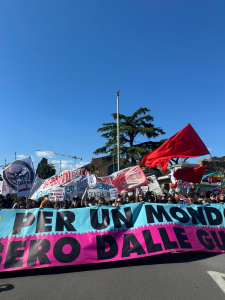
Protests regarding the conflict in Rome have been frequent. The students feel many protestors are insufficiently informed. “The news here is showing only the Palestinian side and not all the stories. I understand why they want to support the Palestinians; they’re seeing the news and what’s happening there and it seems crazy, but things are not like this. The people here just see murder in Gaza; they think they need to save them and feel that they are doing a good thing by protesting. They don’t understand that they are giving more power to Hamas, instead of actually helping the Palestinians. I think that if you’re going to protest, you need to deeply understand what has happened – not just go because it’s popular,” remarks Shimon. She adds: “On Instagram and TikTok, I also saw videos of gay people protesting. If they went to Gaza, they would be condemned because of their orientation. I feel like they don’t understand”.
Perhaps the exchange semester has sharpened the students’ sense that two realities must be bridged before any lasting peace is possible.