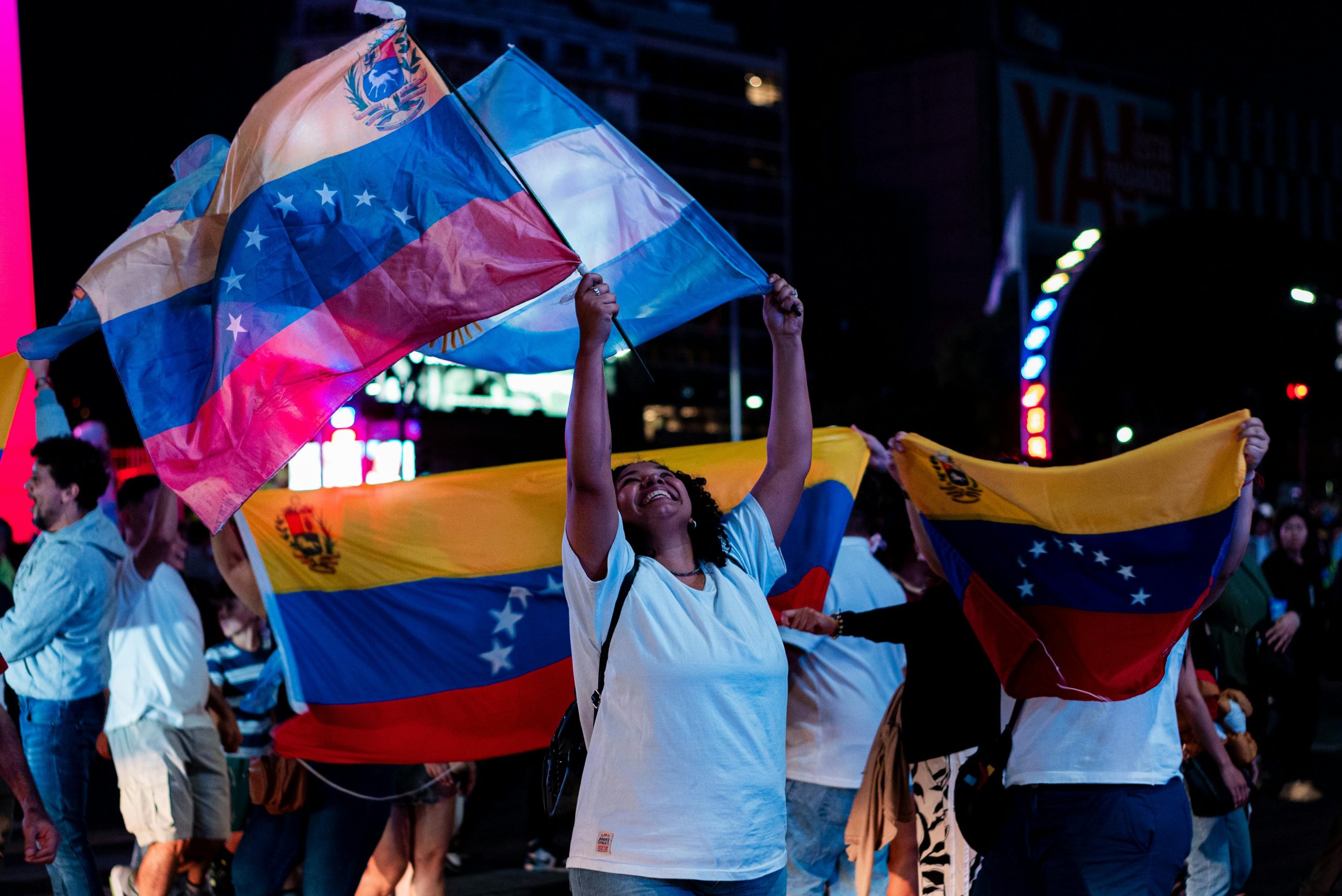

“It is very difficult to describe the general mood. There is great joy expressed intensely by the Venezuelan diaspora around the world, while within Venezuela itself the mood is much more subdued and cautious”, says Tomás Páez, Venezuelan sociologist and director of the Venezuelan Diaspora Observatory, explaining the complex feelings surrounding the U.S. military operation on 3 January 2026, which led to the capture of Venezuelan President Nicolás Maduro.
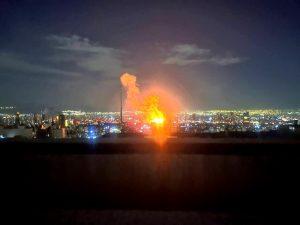
The US escalation in Venezuela began in August 2025 with the deployment of a naval task force in the southern Caribbean in Operation Southern Spear, presented by President Donald Trump as an anti-drug campaign. After a series of air strikes against ships near Venezuelan waters, a swift raid led to the capture of Maduro and his wife, who were transferred to New York on drug trafficking charges.
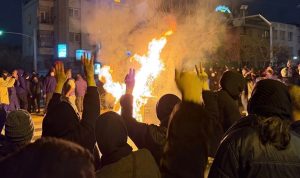
Páez, currently residing in Spain, noted how Venezuelans around the world gathered in the streets to collectively celebrate Maduro’s removal, chanting “Venezuela libre” (“Free Venezuela”). Approximately 8 million Venezuelans have left the country. Despite the initial euphoria, Páez does not believe this will translate into a significant reversal of migration patterns. “Eighty per cent of the Venezuelan diaspora has consistently stated that they will not return to Venezuela. Twenty-seven years have passed, and many of those who arrived as parents are now grandparents; many of those who arrived single now have children. It is not easy to reverse this trend.”
Although many rejoiced, dressed in red, blue and yellow, singing and applauding, and even shouting “thank you, Trump”, a significant division emerged between Venezuelans abroad and those within the country regarding the U.S. intervention. Protests erupted in Caracas as thousands of Venezuelans marched against foreign intervention, chanting “Maduro aguanta, el pueblo se levanta” (“Maduro, hold on, the people are rising up”) and “tú a mi país no lo vas a intervenir” (“you will not intervene in my country”).
Páez argued that “the government has no support and any official mobilisation has been achieved by coercing the population. Of course, some are convinced and support the government, but they are, I repeat, an absolute minority.”
The division in public opinion was reflected in the poll data. According to AtlasIntel, 64% of Venezuelans abroad supported U.S. military action against Maduro, compared to 34% of Venezuelans inside the country. Regardless of whether Venezuelans residing in the country generally approved of the government, the poll showed only minimal support for foreign intervention as a viable course of action.
Páez then pointed out that U.S. law requires congressional approval, explaining how this constraint could be circumvented by qualifying the operation as a “judicial extraction”. He also called President Trump’s comments about alleged U.S. control over Venezuela’s oil reserves “inappropriate”.
While many in the diaspora have expressed a willingness to trade oil for freedom, others who have remained in the country, particularly those who have taken to the streets to protest, have strongly reiterated their claim to Venezuela’s natural resources and rejected foreign intervention as the price of political change.