
«I chose to take part to the IMBRSea (International Master of Science in Marine Biological Resources) program because, beyond the quality of the training, it allowed me to travel and discover new research environments», says Anna, a German student who has spent the past two years living between Europe and Australia. Today, her suitcase holds few clothes but plenty of raw lab data, field notes, and photographs taken in airports along the way.
Packing every six months, changing locations and friends, as well as studying in great universities, engaging with experts in your field, and spending countless hours in the field. This, and so much more, is what everyday life looks like for those who take part in an Erasmus Mundus project.
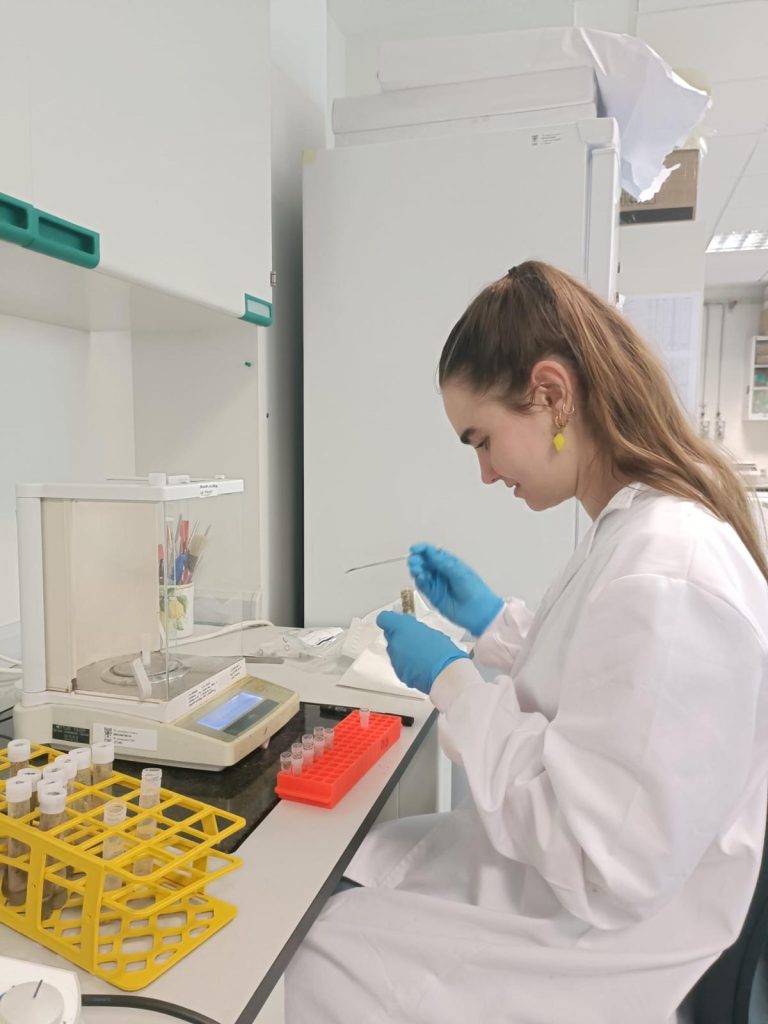
Erasmus Mundus degrees are managed by a consortium of at least three universities located in different countries. This program requires students to move every six months, while taking part in internships, summer schools, and research activities – even outside the EU. At the end of the study period, students receive a diploma signed by all participating universities.
It’s an intense and hard-to-replicate mix that reshapes the way participants approach the job market– especially for those subjects not taught by many universities due to funding, such as marine biology. In response to these needs, IMBRSea was established. This Master program is funded by Erasmus Mundus and run by eleven European universities, including the Università Politecnica delle Marche.
«In every Erasmus Mundus project, the goal is to connect students and top-level researchers», explains, Yens Vandenboer, Project Officer of IMBRSea. «As science becomes increasingly international, networking and exchange of perspectives are a crucial part of education».
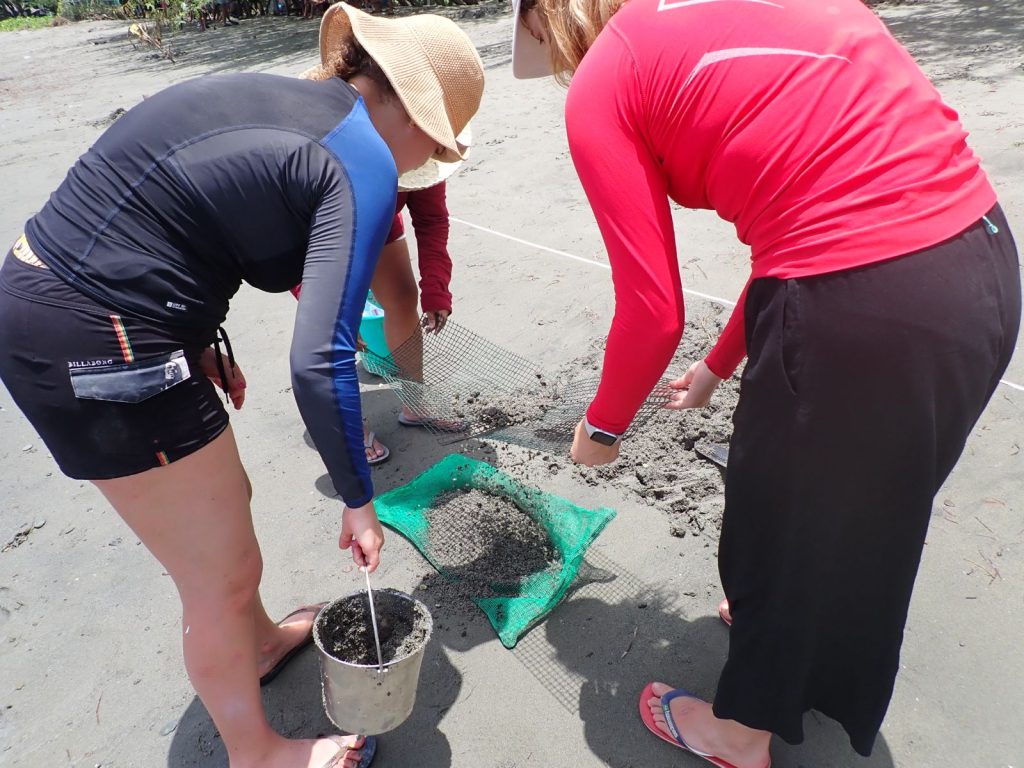
Each year, the consortium gives students Erasmus Mundus scholarships that cover tuition and part of living expenses. Students choose their destinations based on the academic modules offered by the host university and often ends up joining research groups they have encountered along the way. Projects like IMBRSea provide a «quality label» on a resume – a way to stand out and be recognized in the job market: «The world of marine biology is small, and major names like IMBRSea carry a lot of weight».
Vandenboer also points out that high-mobility programs help students develop essential soft skills, with adaptability being one of the most important. «These are crucial in research, especially in marine biology, where labs are often in remote and challenging areas».
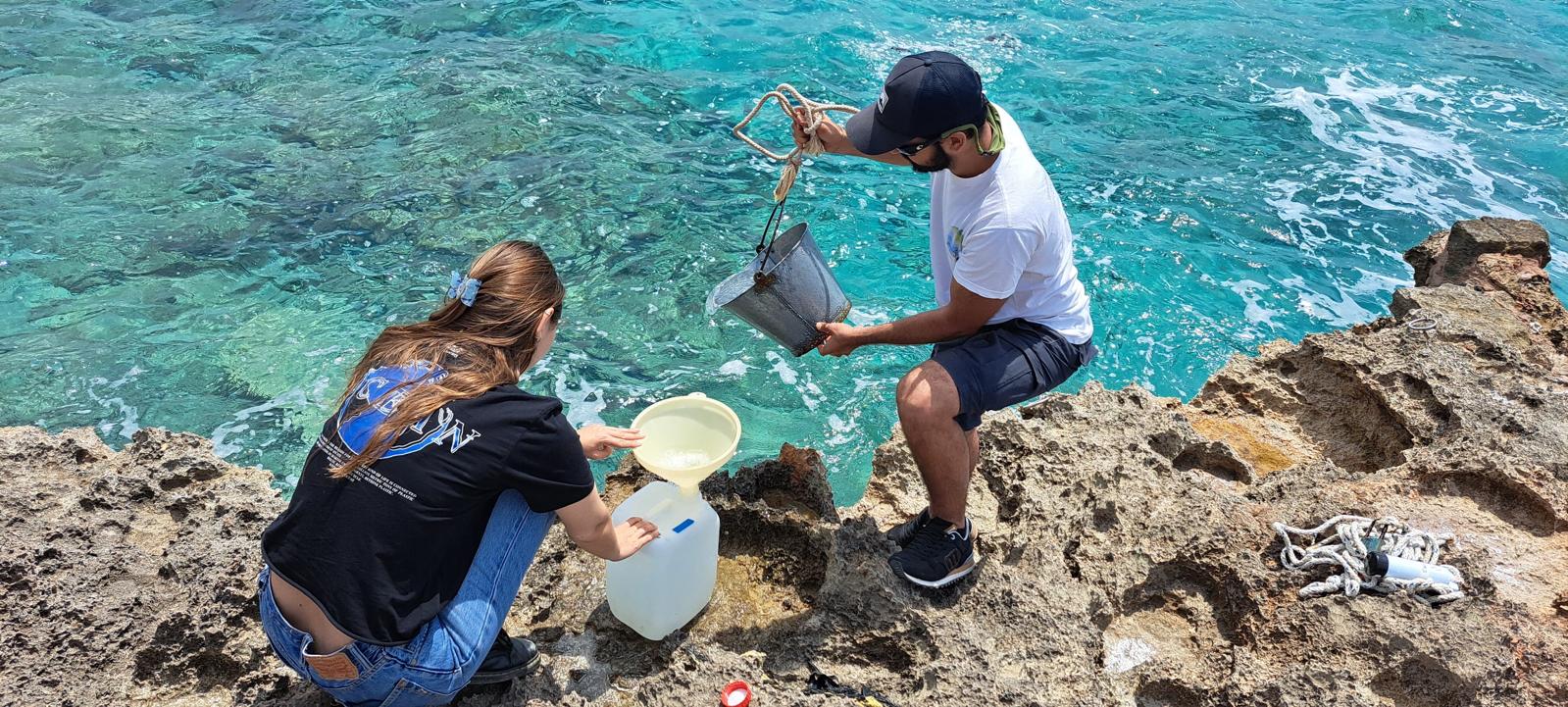
Virginia Sofia, an Italian student who lived between the Philippines and Brazil confirms this. «In Mati it was humid and hot, and we spent most hours in the water. We went diving and barely slept to keep up with the research», she says. In Rio, however, conditions were more manageable: «It was still very hot, but snorkeling in the ocean to study fish behaviour was incredible».
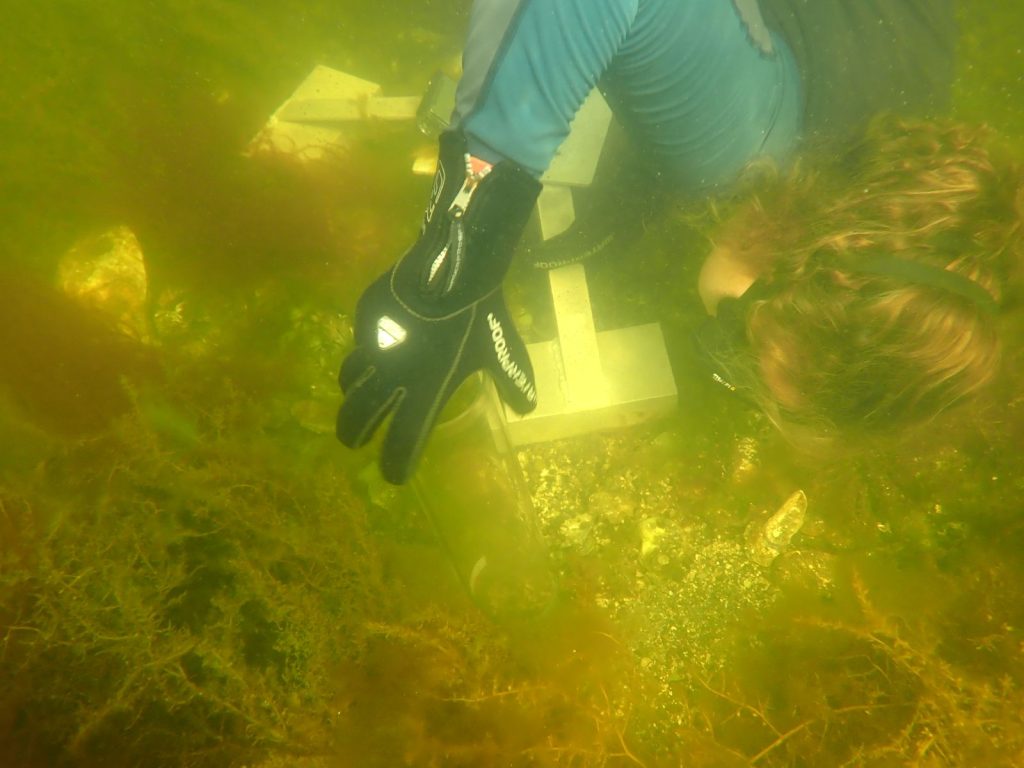
There are also students coming from outside Europe, like Isabella from Colombia. «It was a great experience, but to future non-EU students I say: Watch out for visa issues! Due to bureaucratic difficulties, I was only able to study in Belgium and Italy. Still, I got to experience a more local side of research, with all the highs and lows of a small place like Ancona».
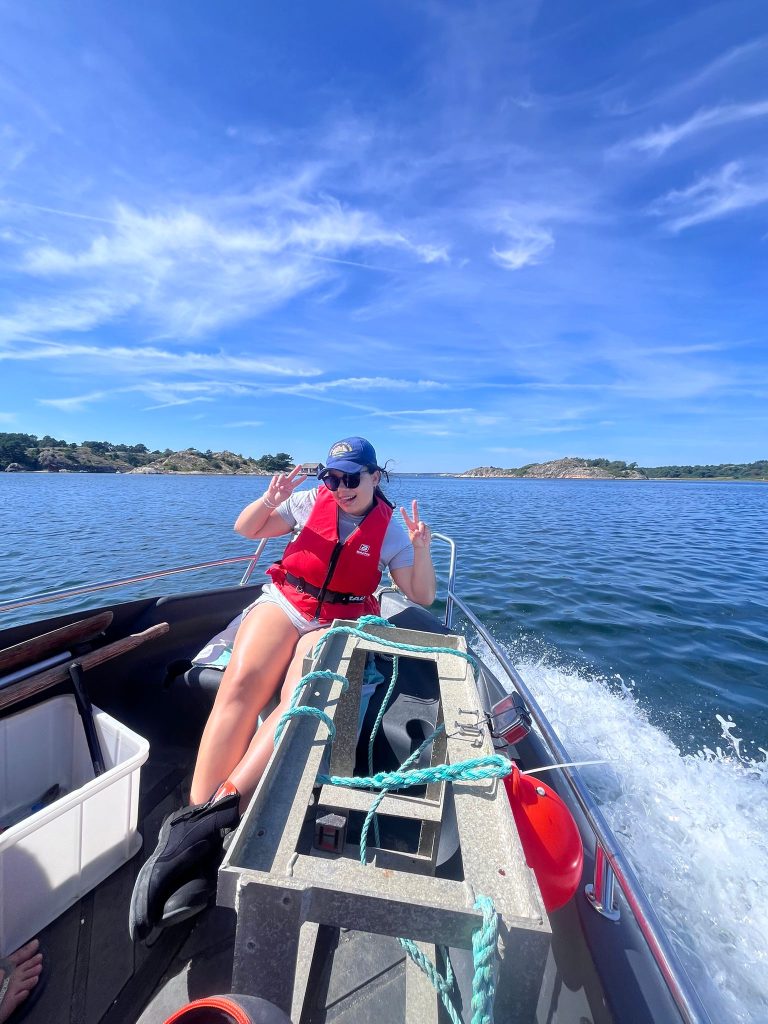
At the end of the two years, for many students what matters the most is not the diploma, but all the places they have lived in and the people they have met. Then it’s up to each of them to decide whether packing every six months, changing locations and feeling homesick will become their way of life – or just the memory of two unforgettable years.
Read the whole magazine here