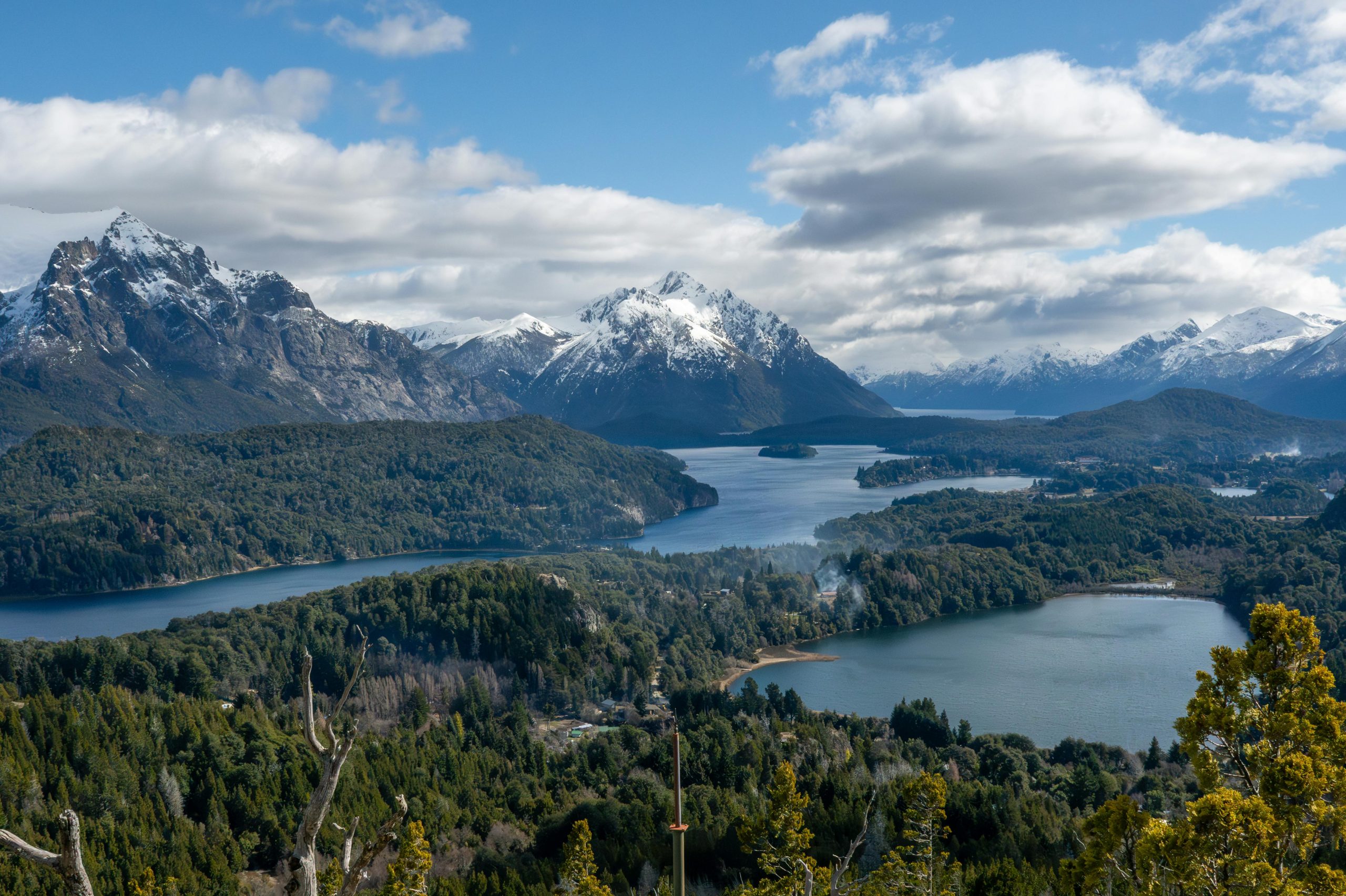

Long romanticized by travelers as the “end of the world,” the South American region of Patagonia is now facing an end of a different kind. Home to pristine temperate rainforests, ancient glaciers, and expansive peatlands that store nearly twice the carbon of the Amazon per hectare, is drowning in flames. Much of the criticism is directed at Argentina’s government, whose austerity policies are seen as shifting environmental stewardship toward commodification and liquidation.
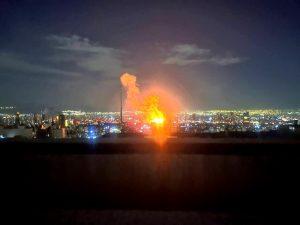
The crisis began in early January 2026 in Los Alerces National Park. Several years of drought conditions and heatwaves exceeding 38 °C, laid the groundwork for the current wildfires, whose speed and magnitude has overwhelmed local response capacities. As of late January, the fire crossed the park’s boundaries where between 36,000 and 40,000 hectares have been destroyed.
Although wildfires are common in Patagonia, the current crisis has been worsened by President Javier Milei’s systematic defunding of the National Fire Management Service (SNMF). In 2024 the agency’s budget was cut by 81%, having critically reduced firefighting infrastructure. The change in policy was propelled by Milei’s public stance on climate change as a “socialist lie”.
Luciana Cárdenas, resident and activist from the Comarca Andina denounced, “When you cut the budget for the people who actually know the mountain, you aren’t ‘saving money’, you are signing a death warrant for the forest. The smoke we are breathing is the result of a spreadsheet in Buenos Aires.”
Public concern has grown that the government is using the wildfires to push privatization of Patagonian lands. Milei repealed the 2011 Rural Land Law, which limited foreign ownership and restricted land near water and borders, but a judge suspended the repeal and the case is now before the Supreme Court. The government also seeks to repeal protections banning the sale or rezoning of burned land for 30–60 years, raising fears that this could incentivize arson for profit. Even without repeal, these proposals have fueled public suspicion and “fire-sale” narratives, particularly amid local experts have pointed to “intensionality” as the primary cause.
Amid these policies, the Mapuche, the largest Indigenous group in Chile and Argentina, have borne the brunt of the state’s response. Indigenous leaders describe a “triple strategy” aimed at deflecting responsibility for government negligence, criminalizing land defenders, and clearing territory for foreign investment.
These tensions trace back to the 19th-century military annexation of Mapuche lands in Argentina and Chile and persist today through unresolved land claims. After the fires, Argentine authorities intensified repression, including coordinated raids on 12 Mapuche communities in Chubut in February 2025 and public accusations of arson against Indigenous leaders without forensic evidence.
Resistencia Ancestral Mapuche (Mapuche Ancestral Resistance) was categorized as a terrorist organization in 2024, allowing the state to expand its security powers against Indigenous resistance to extractive projects. Officials and aligned media frame the Mapuche as an “internal enemy,” despite human rights observers noting that they are among the primary victims of the fires, losing homes and livestock.
Mauro Millán, leader of the Pillán Mahuiza community and a prominent voice for Mapuche rights declared that “they call us ‘internal enemies’ to distract from the fact that they have dismantled the fire services. We don’t burn the land; we are the ones who put our bodies in the way of the flames because this territory is our life, not a business.”
The 2026 wildfires represent a “perfect storm” where climate-induced extreme weather meets a deliberate policy of state withdrawal. By defunding fire prevention, repealing land-use protections, and criminalizing the indigenous communities who resist extractive industries, the current administration is facilitating a fundamental territorial realignment, essentially treating one of the world’s most critical carbon sinks as a commodity to be liquidated rather than a global legacy to be preserved.