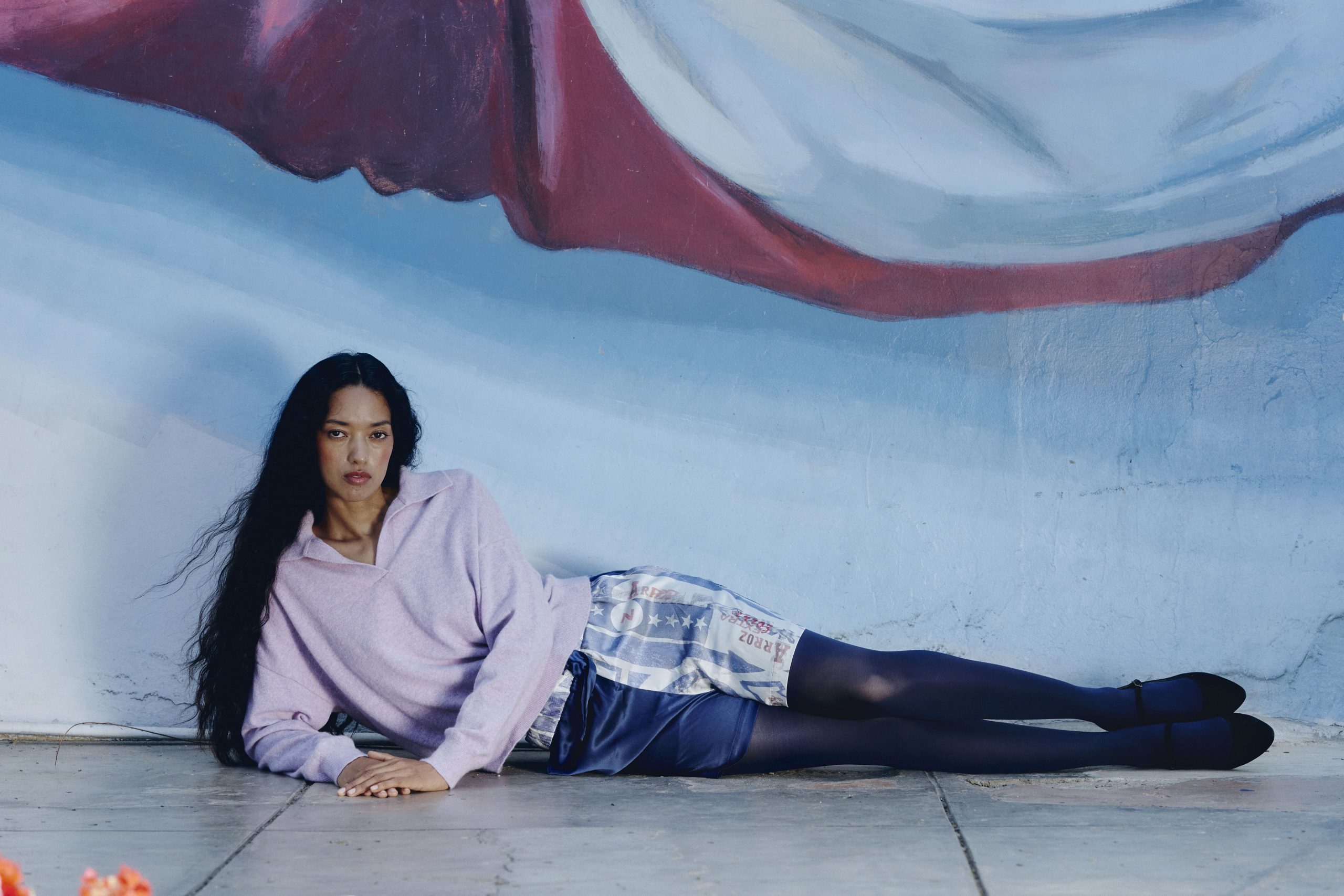

Amidst bright colours, bold prints and ancestral symbols, a generation is emerging that refuses to neutralise its identity and does so through what it wears every day. It is no surprise that a phrase circulating on social media sums up this spirit: “demasiado latina para ser minimalista”, too Latin to be minimalist. For the Latin American diaspora scattered across Europe and North America, fashion has become much more than just clothes: it is a visual language of resistance, an archive of cultural memory, a way of saying “I am here, and I come from there” in a world that often demands conformity in order to be accepted.
Maje, a Venezuelan content creator, has explored the relationship between maximalist designs and Latin culture, showing how fashion can become a tool for affirming and preserving one’s identity and roots.
The dominant trend of minimalism, with its simple shapes, clean lines and neutral colours, has consumption reduction at the heart of its philosophy. This attitude contrasts with certain Latin American habits and sensibilities. “We have this tendency towards maximalism, for example, to accumulate objects and keep them ‘just in case’; a sometimes unbridled consumerism, because we come from contexts where crises are frequent and unpredictable,” says Maje, who wonders whether “less is more” can really apply to “a continent that was not born in neutrality”.
In Latin America, diversity, resulting from the intertwining of indigenous, African and European roots, is central to the construction of identity. Resistance also comes through pride in one’s origins and the ability to reflect this identity in fabrics, hairstyles and symbols passed down from generation to generation.
“We are told that minimalism means living with the essentials, but for us, the essentials are everything that reminds us of who we are.”
Maje has been living in Spain for ten years and uses fashion, through colours and symbols, to strengthen her connection with her own culture, even from a distance. “I have lots of shirts from Venezuela because they make me feel closer to home and allow me to be proud of my origins. Even though you can feel like a minority here, it’s important to remember who we are and assert it, including through clothing.”
Like many members of the Latin American diaspora, Maje finds that mixing different styles helps her express her identity in new contexts, demonstrating that mainstream fashion is not universal.
Mariella Ruiz de Somocurcio, a Peruvian designer and founder of the Afuera brand in London, had a similar experience. Raised in Lima, she moved to Barcelona to study, where she immediately found connections in the Latin American community. In London, however, the absence of that support was felt.
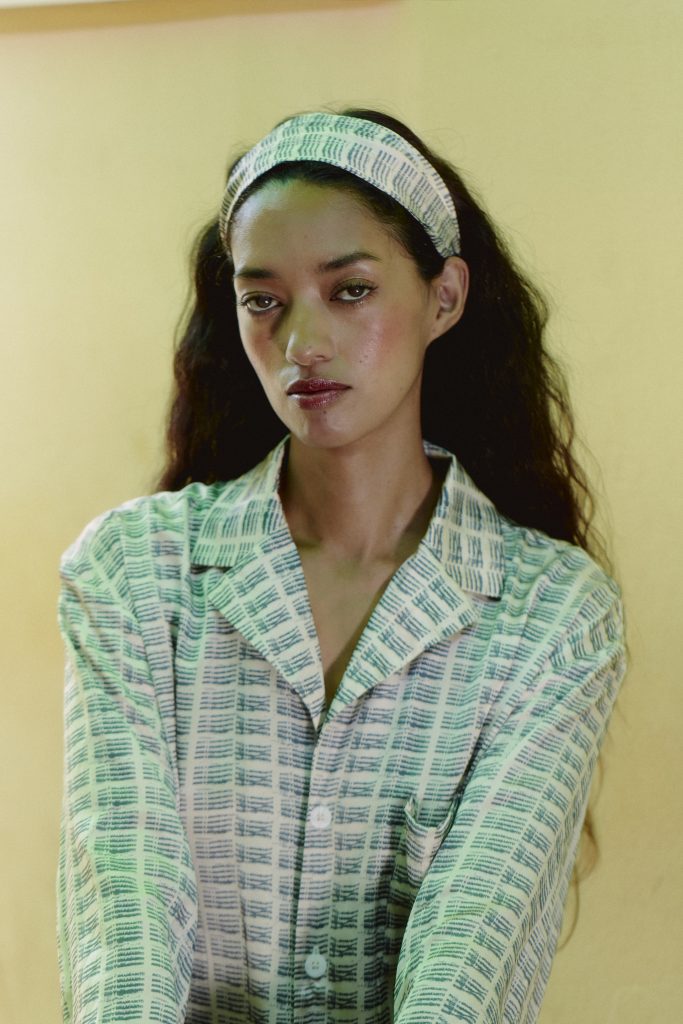
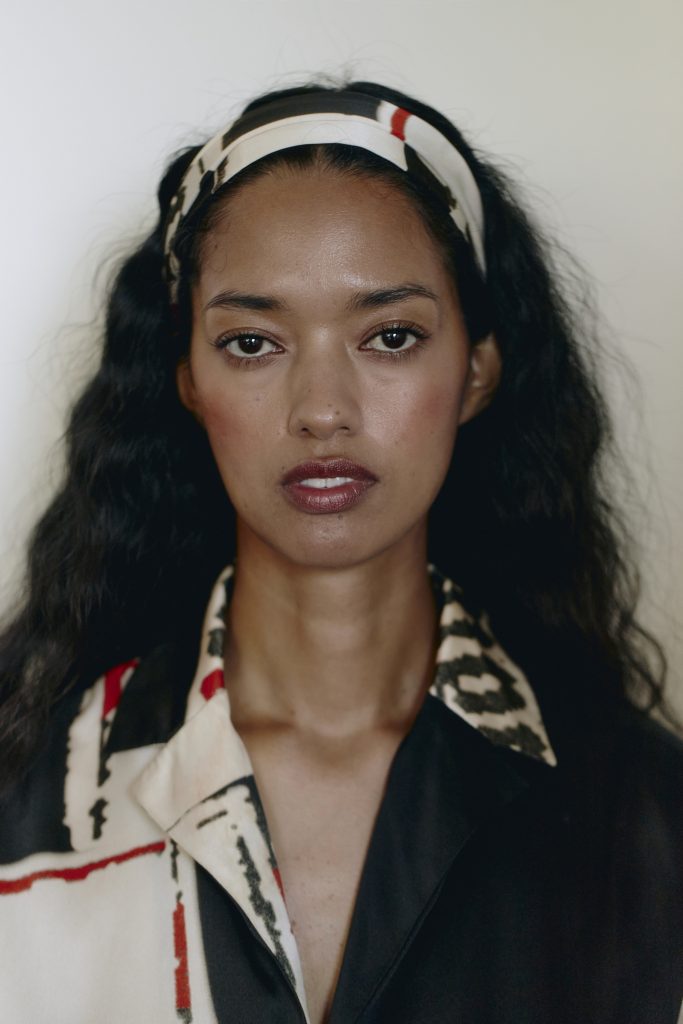
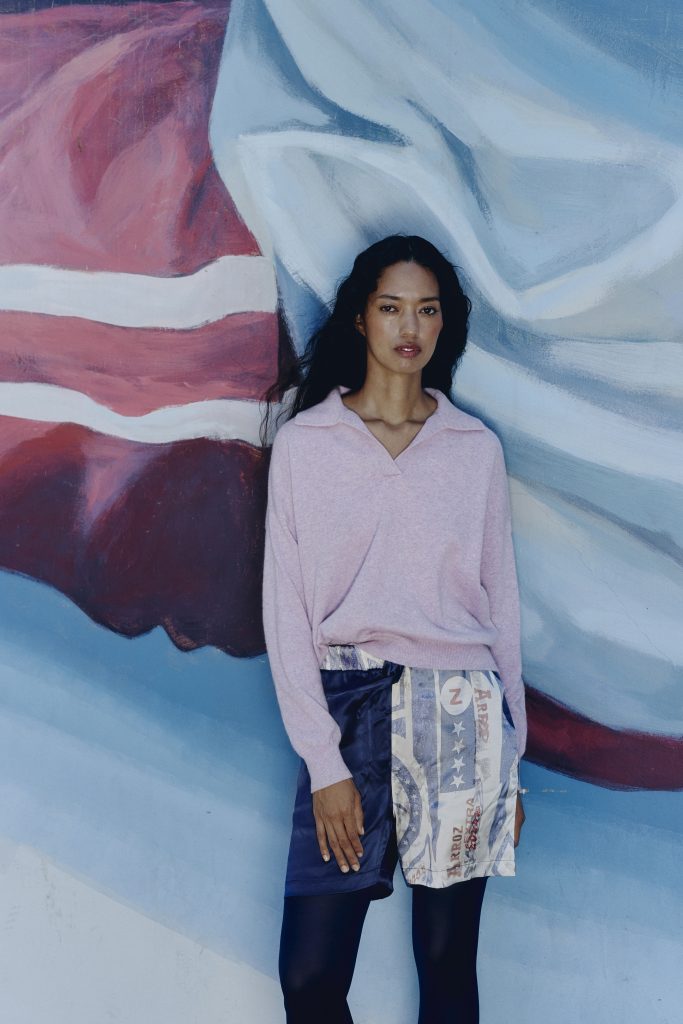
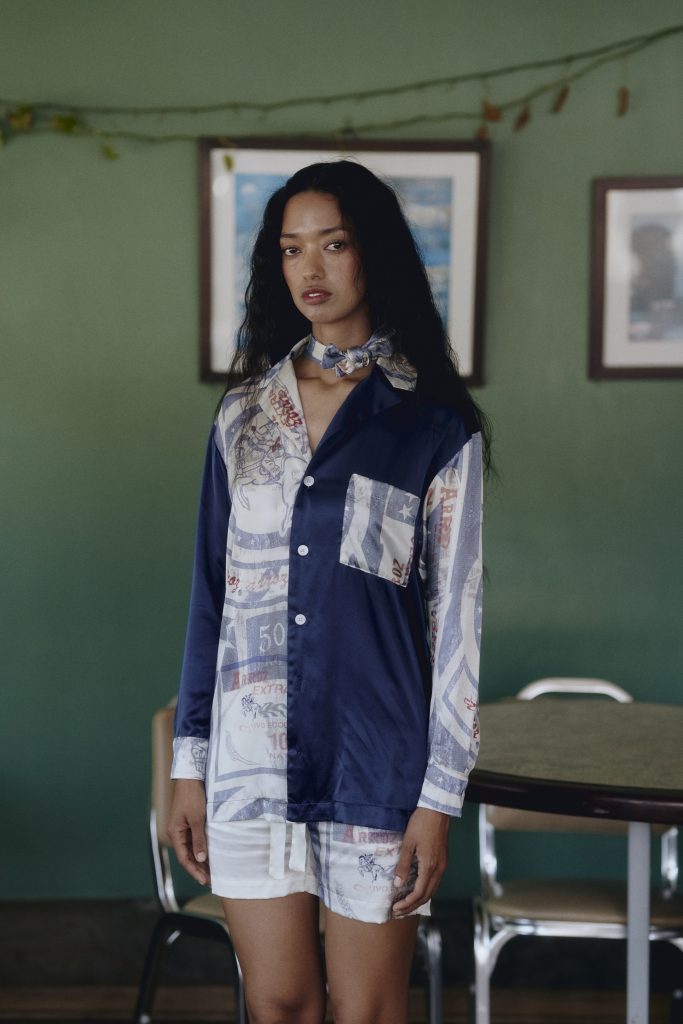
“I found myself at dinners or social events constantly explaining what Peru meant to me. I think this was a major factor in my decision to create a brand that promoted cultural understanding.”
Afuera creates vibrant unisex garments featuring bold prints and intense colours, embracing a maximalist aesthetic that celebrates abundance, warmth and cultural memory.
“Most of the colours and symbols are inspired by the streets and rice sacks, which I have been collecting since I was a child. They often featured phrases that reflected Peruvian culture, such as the Taipa brand, which means serving food in abundance, reflecting our generosity. For the embroidery, we also do a lot of research on pre-Columbian cultures.”
The brand’s goal is to convey traditions, ancient techniques and history. Mariella wants wearing her clothes to mean carrying with you Peru’s past and what Peruvians are today.
“I think it’s important because we are increasingly losing this memory. In Latin America, we often look at the Western world from a subordinate position: this is also a way of saying ‘be proud of where you come from’.”
Whether it’s Maje’s Venezuelan shirts or Afuera’s pre-Columbian embroidery, fashion in the Latin American diaspora has never been just about aesthetics. It is an invisible thread connecting those who live far away to their roots, a way of occupying space in societies that often render minorities invisible.
In an era when minimalism is presented as the only path to elegance and refinement, these voices remind us that the essential is not universal. For Latin American culture, the essential is memory, pride and the visible joy of living life to the full.