

Imeria is mad. Sitting on the ground in the middle of the huge Termini station in Rome she has been trying to get the train to Calabria since the early morning: “While I understand the motivations for the strike I too take pity on the children of Gaza, I am frustrated and angry because it is causing massive interruption.” By the way it looks, Imeria could be waiting many more hours without updates on the departure time of her train.
Tension rises at Termini station as people deal with the consequences of the strike for Gaza. Countless delays and cancellations leave thousands stranded waiting for trains that may never come.
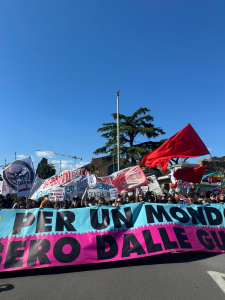
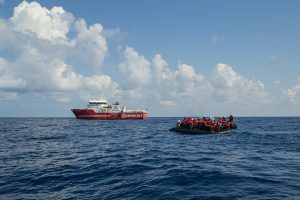
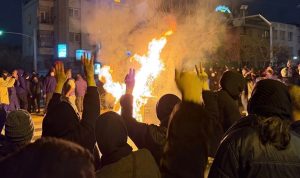
Following on from the national strike that took place on September 22nd protesters took to the street again today, Friday October 3rd to express their rage with the capture of the Sumud Flotilla, by the Israeli Military. National unions of workers brought Italy to a halt, wreaking havoc on many public services, most certainly transport. This came to a head in Termini station in Rome where the strikes brought the place to a near standstill. Not a single train arrived on time and departures faced extreme delays, most without any information at all but some already pushed back over three hours.
A heavy, tense atmosphere dominates the station with queues at the ticket desks stretching as long as the building itself. Many people were fed up and not willing to respond to any questions. Bars and restaurants in the station are uncharacteristically busy as stranded passengers with nothing else to do, pass their time eating and drinking.
On the ground, the implications for individuals not involved in the strike are clear.
Read: “We warned you”: protestors claim strike was legitimate
One of many uncertain passengers, Lorenzo, shares his disappointment with the organizers of the strike about the way that they took action. While he believes that protesting is a fundamental right, he disagrees with disrupting the lives of normal people: “I believe protesters should follow the State’s guidelines without blocking railways. This does not help the cause but only creates trouble for people going about their daily lives.”
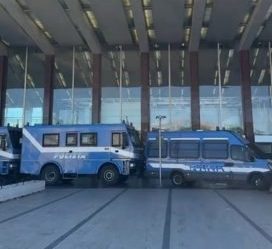
A massive law enforcement presence on the way to the station leads up to a cortege of police vans wrapping around the whole building. Entry and exit from the station are controlled, with all but the main entrance at the front closed. The demonstration passes by the station and the protesters can be heard as they fill up Piazza dei Cinquecento. The streets full of protesters carrying Palestinian flags banging drums and singing chants in favour of the cause while distressed travelers try to cross the crowds, dragging their luggage behind them.
Of course, the implications of this strike reach far and wide, not only to locals trying to go about their day. Rome being a popular tourist destination, especially during the year of the Jubilee, welcomes thousands of holidaymakers and pilgrims every day. Christian, who had just landed in from Canada, found himself and his family caught in the middle of the strike: “We are struggling to get to our accommodation and we have been waiting for two hours now.” He finds himself unable to move as the metro is not working, buses are late or cancelled and you cannot get a taxi for love nor money.
These are just a few examples of the frustration felt by passengers today in Rome’s central hub. It shows how effective these strikes can be at restricting movement and getting the message across. At the same time, the consequences of them reach far and wide, affecting the lives of everyone, whether they are involved or not.