
Described as the most geographically widespread Olympic and Paralympic Games ever organised, the Milano-Cortina 2026 edition is making history before it has even begun.
“We can already understand it from the name, Milano-Cortina; it’s the first time ever that the name itself consists of two locations,” says Michele Antonelli, sports journalist for Adnkronos. With fewer than three months remaining until the opening ceremony in Verona, preparations are still underway.
“Because the Olympics were awarded to Milano-Cortina in 2019, we effectively had two to three years less to prepare, due to the period affected by Covid,” explains Marina Claoti, sports coordinator for Milano-Cortina 2026 in Livigno.
Nonetheless, the strong emphasis on sustainability and the reuse of existing facilities has reduced the need for extensive new construction. Local residents in the host areas, however, are noticing changes. “For a couple of years now, they’re working on the railway, because they’re planning to increase the number of departures during the Olympics. It was quite old, so it’s good that they’re doing renovations,” says Cristina Maspes, a resident and clothing store owner in Sondrio, a city in Valtellina in Lombardia.
The city of Milan is also experiencing positive developments. “The Olympic Village in Milan will become a student residence after the competitions, with rooms available at low cost,” notes Antonelli.
Julien – a pseudonym adopted in accordance with his employer’s rules on press inquiries – is working with security for indoor venues in Milan. He highlights the long-standing demand for improved sports infrastructure in the city, which preparations for the Games are now helping to meet. “In the south of the city, there’s an area being built to host ice hockey events. This is a valuable legacy for residents after the Games”, Julien explains.
Apart from the new ice hockey venue, all the other competition facilities in Milan already existed, some of which are now being upgraded. “Olympic requirements are usually a bit more demanding than, for example, those for national competitions in Italy, so we improve the venues to comply with security or sporting standards set by the International Olympic Committee (IOC),” says Julien.
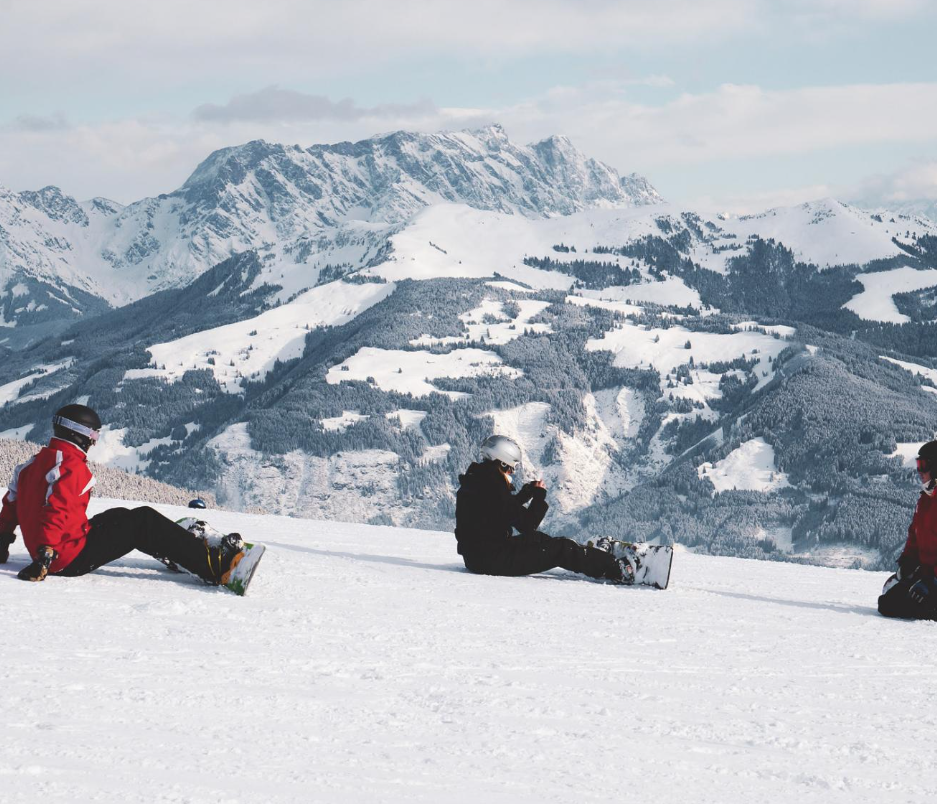
In Livigno, where the snowboard and freestyle events will take place, Claoti emphasises the positive aspects of the accelerated development of infrastructure and other services. “It’s an opportunity to accomplish in five or six years what might otherwise have required thirty. Thanks to the Olympics and additional funding, the radiology department in the town’s emergency room is being expanded and existing facilities are being renovated. Since Livigno is a sports town, we experience a lot of accidents. A renovated and efficient emergency room allows us to cover crucial services,” she explains, before adding: “There’s also a new municipal operations centre being created for the firefighters, the rescue team and the local police.”
In addition to the significant long-term legacy, she points to the positive aspects of reusing existing infrastructure. “Instead of allocating new land to construct an Olympic village from scratch, we are using existing hotels,” says Claoti. Milano-Cortina 2026 is frequently described as the first Winter Olympic and Paralympic Games planned entirely under the Olympic Agenda 2020 principles – a set of recommendations adopted by the IOC in 2014, aimed at safeguarding Olympic values, including those related to sustainable development. “Distributing the events across a wide region facilitates the reuse of sport centres and arenas. It also supports organisational, logistical and sustainability objectives,” says Antonelli. There are, however, differing perspectives. “With long distances between venues, I think it will be impractical for spectators who want to attend multiple disciplines,” observes Ragne Wiklund, a Norwegian ice skater who is planning to participate in the 2026 Winter Olympics.
Upgrades on the railway and shuttle buses provided by the organisers are, however, initiatives implemented to ease the need for travelling. “Visitors will have to leave their private vehicles in a parking lot near the entrance of the town, then they can use Olympic public transport to reach the final destination of the venue”, says Claoti. She continues: “Residents and workers can get accredited for a pass free of cost, to enter certain zones by car”. The accreditation of passes is a necessary security measure to control the flow of people into the towns, but it might represent an obstacle for some residents.
Various viewpoints from the local population have been taken into account during the preparation phase. “We’ve held open, public meetings, which we prefer to observe because they allow citizens to ask questions directly and receive immediate answers from the administrators responsible for the project. By doing so, we get to the bottom of the matter”, explains Claoti.
According to her, there has not been a notable dissatisfaction in the local community. “It’s all pretty calm. The only thing that caused some controversy, was when some trees were cut down,” she says. She adds: “In my opinion, the population is happy because of the great legacy the Games will leave behind”.