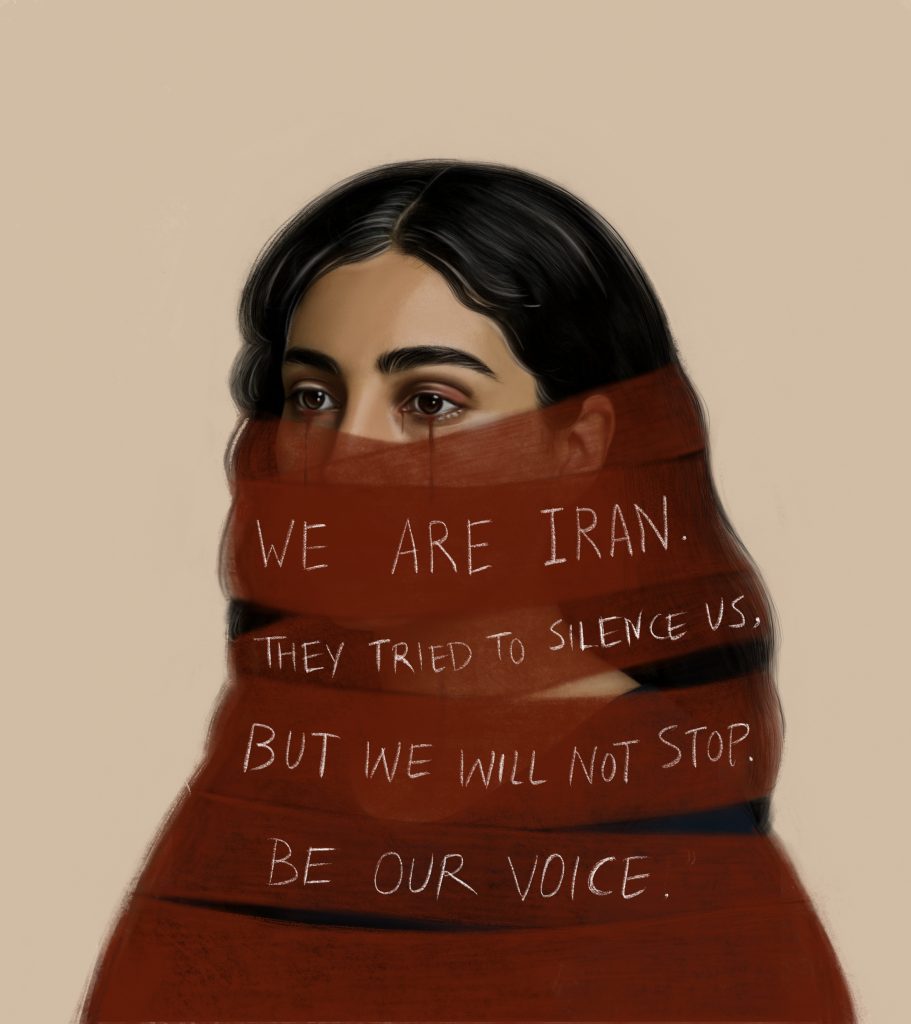
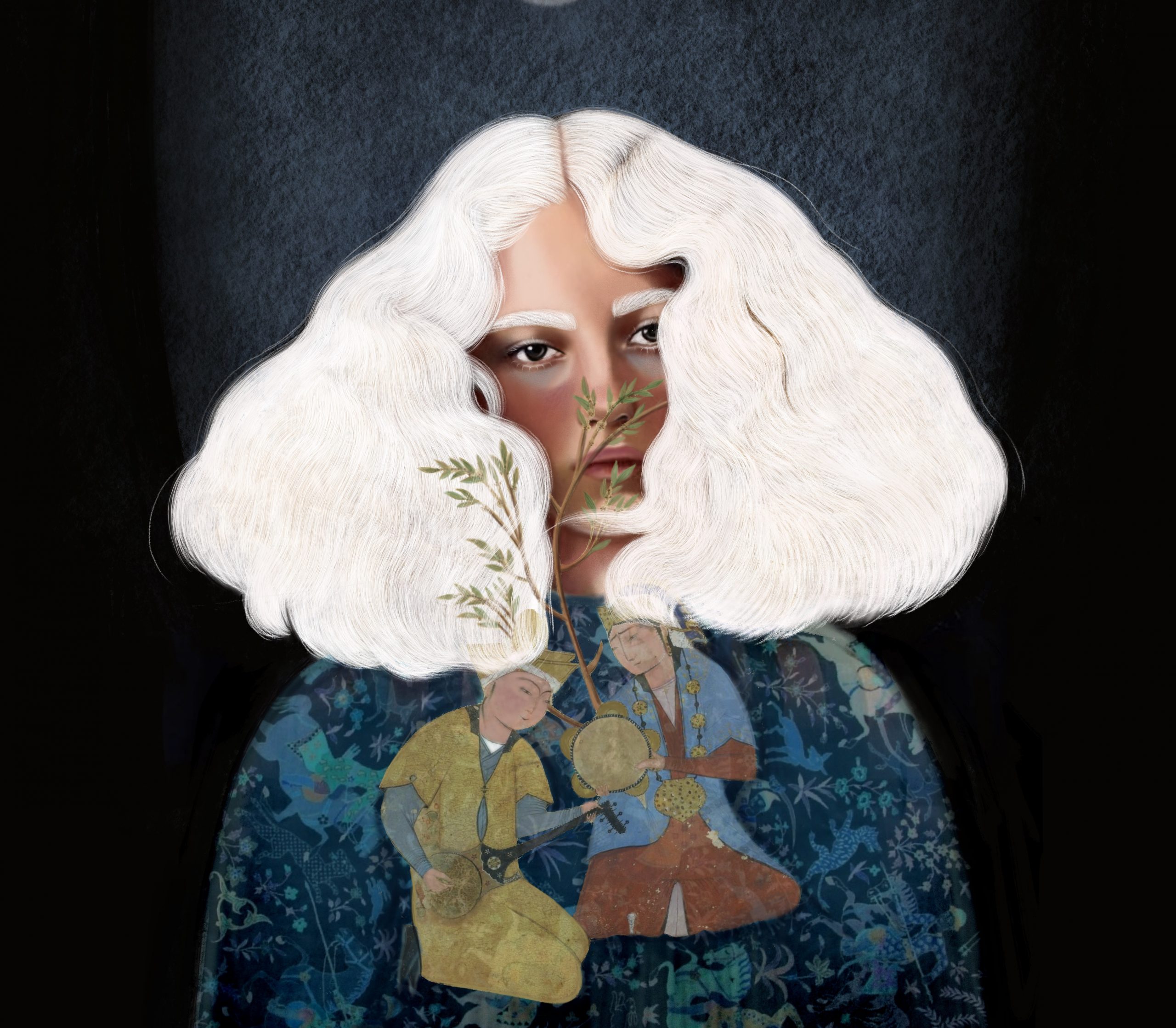

Saba Soleymani now lives in Hamburg, Germany, where she works as an illustrator, creating logos, murals, and works exhibited in several European countries. Like many young people in the Iranian diaspora, her story is marked by the regime’s repression. At the end of December 2022, at 7:00 a.m., security forces raided her home in Tehran. «There were eleven people, a woman and ten men. They searched the house, confiscated my personal belongings, and took me away with them.»
There’s no time to understand what’s happening. The dog is terrified, the cats flee—one will never return—and her mother faints before her eyes. «After they took me away, I didn’t even know if my mother had survived.” Soleymani is arrested at the height of the “Woman, Life, Freedom” movement, born in Iran after the death of Mahsa Amini, who became the symbol of the protest: she had been detained by the morality police for an alleged violation of the rules on the hijab, the veil made mandatory in public spaces after the 1979 Islamic Revolution.
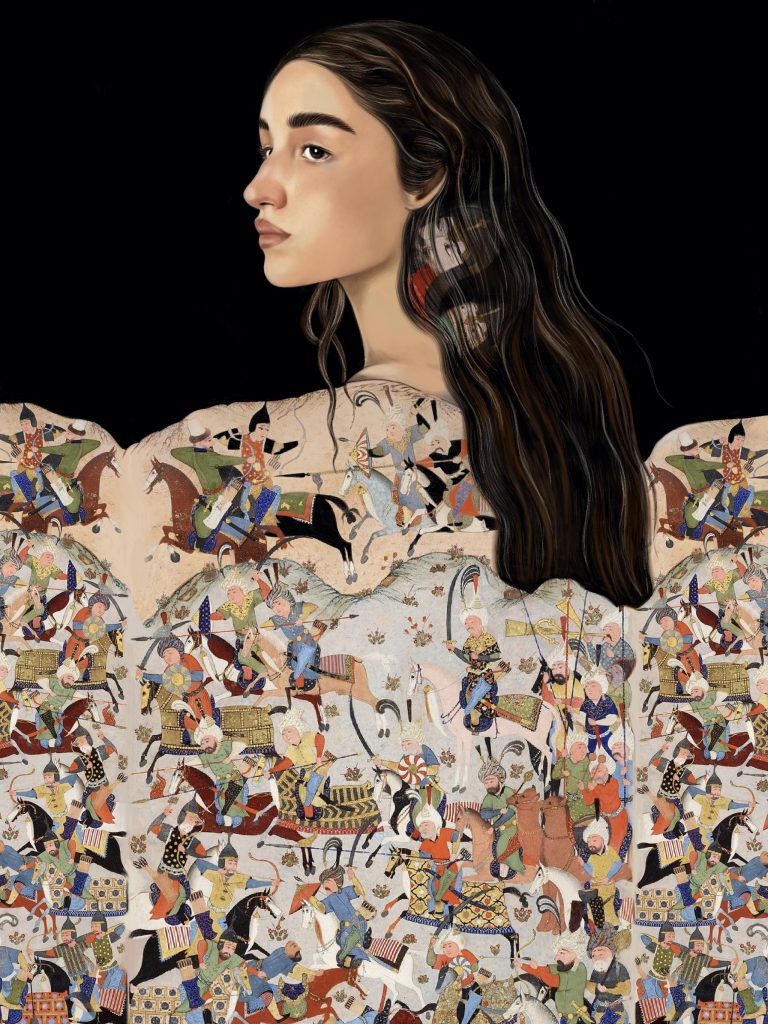
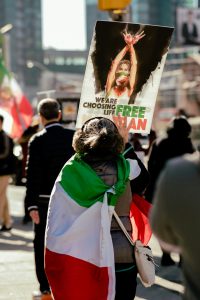
In those months, as Iran was gripped by revolt, Soleymani also chose to oppose the regime. She did so with the medium he knew best: art. She drew the faces of the victims of repression, restored an identity to those the regime had tried to erase, and posted it all on Instagram. «I began my form of protest by drawing portraits of Mahsa Amini, then Nika Shakarami, Sarina Esmailzadeh, and other victims. It wasn’t long before I received the first threats on Instagram from the cyber police.»
For Soleymani, however, this is not a time for fear: «I believed my life was no more precious than that of Mahsa, Sarina, or Nika. Just as they had courageously protested, I felt I could not take any step back.» Regarding her time in prison, marked by interrogations, sleepless nights, and constant pressure, Soleymani prefers not to dwell: «In prison, I became the strongest person I have ever been.»
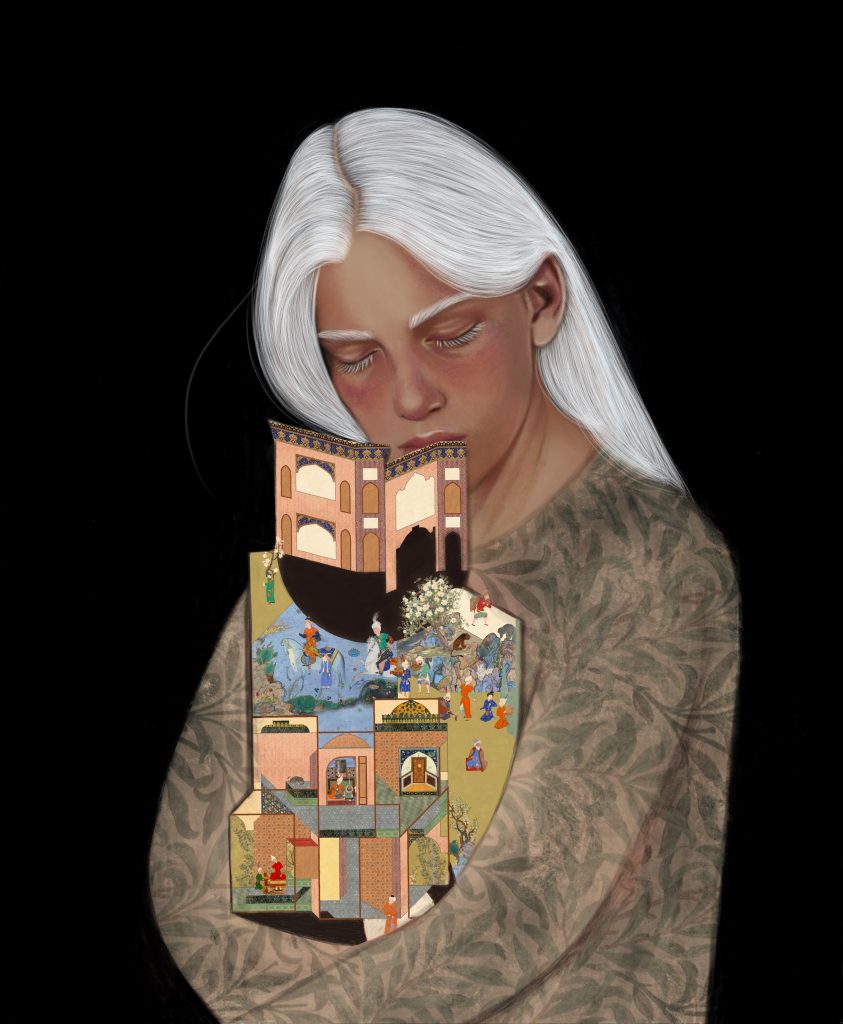
She was released in March 2023, after three months in prison. She was ordered not to continue her artistic work, but for Soleymani, this was an unacceptable condition. «For me, art is as essential as breathing: it is life itself.» Being deprived of it was, in her words, a form of “white torture,” a punishment that continued even outside prison. «At the time, I already had a visa for Italy, because I had been invited to the Bologna Children’s Book Fair as an illustrator: I took that opportunity to escape to Germany, where my sister lives.»
Today, from Hamburg, Soleymani continues to draw, knowing that the price of her protest falls not only on her: her parents, who remained in Iran, still receive threats for her artistic and political activities. «I worry about them every day and every night.» For this reason, too, exile remains a suspended state for her. «I see myself as someone preparing to return.»
At the heart of her art are primarily female figures, «because I am a woman myself and have observed, and sometimes experienced, the discrimination and pressures imposed in Iran, both socially and legally.” In her works, female figures become symbols of resistance: «Their strength and their delicacy, which coexist, have always inspired me.» The faces she draws are sometimes imaginary, other times they belong to real people: those who have been killed or arrested.
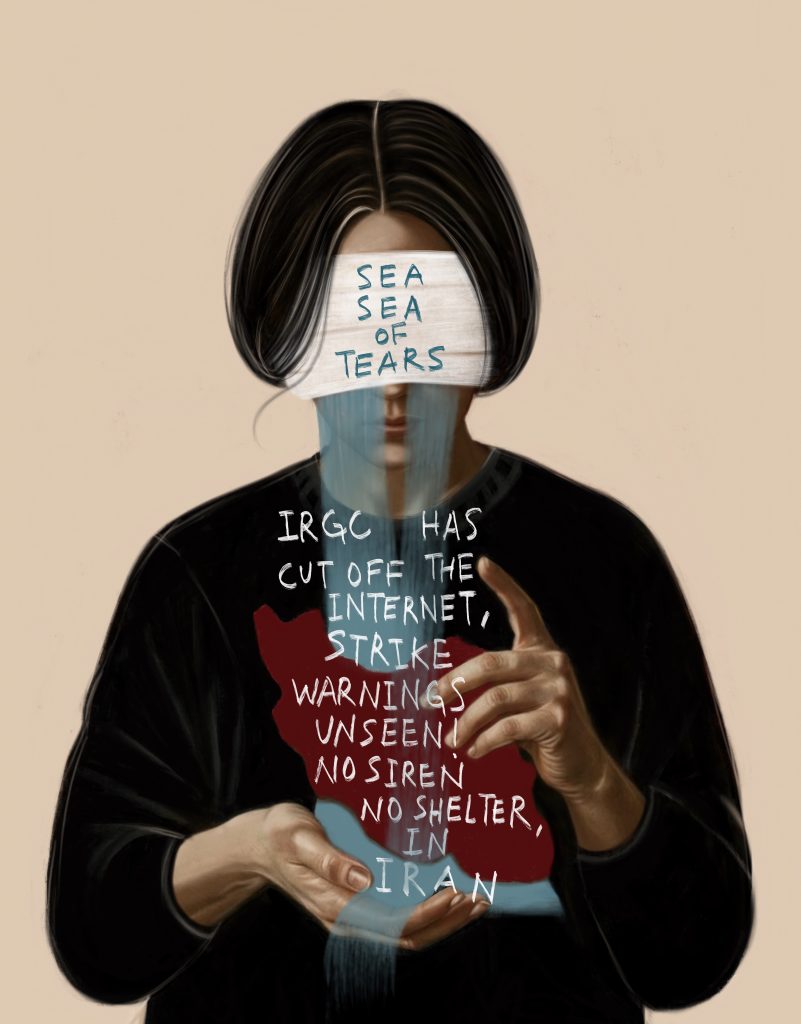
Each work, however, is also a wound that reopens: «Depicting what is happening in Iran is deeply painful. Every time I relive that suffering.» Yet, it is precisely this pain that drives her forward. «When important events occur, I work tirelessly. I feel a sense of responsibility towards the Iranian people, especially women and children. It’s as if I have to be their voice . When I create, I’m often accompanied by music related to Iran, as I mentally journey through its streets and cities: these images guide me towards the final form of the work.»
Soleymani sees what’s happening in Iran as part of a profound transformation: a rapid and, in many ways, unprecedented process of secularization, in which society is redefining its relationship with religion and tradition. This shift also embodies the increasingly widespread feeling among Iranians inside and outside the country that they are facing a dead end. After nearly half a century of repression, violence, and abuse, he explains, for many, the very survival of the Islamic Republic has become more terrifying than war: «We find ourselves in an impossible position, in which war seems the only way left to hope for the regime’s fall.» Yet, she adds, hope has not faded: «Even under the bombs and attacks, people continue to hope. Indeed, they are more hopeful than before that this system will fall, that Iran will be free, and that the Middle East will one day know peace.»