

El Salvador has made significant progress in addressing its security and violence problems. It has won what many consider its most important battle since the 1992 Peace Accords, which ended the country’s civil war: the fight against criminal gangs. This has transformed the country’s reality and reshaped its international image, an image that has increasingly become a central priority for the country’s government.
However, El Salvador is not a global power. It does not have the military or economic capacity to conduct large-scale operations abroad without exposing its personnel to considerable risks, as the current situation in Haiti demonstrates.
Haiti is a country overwhelmed by armed gangs, plagued by violence and struggling with limited resources to confront its security crisis. There is no question that international solidarity matters and that countries should help those most in need. However, a government’s primary responsibility is to protect its own citizens. Sending compatriots to fight in a foreign conflict raises serious questions about where international commitments end and national responsibility begins.
The origins of El Salvador’s military presence in Haiti date back to October 2024, when the country’s Legislative Assembly authorized the deployment of a contingent to provide medical evacuation support as part of the Multinational Security Support Mission (MSS). Later, following the establishment of the Gang Suppression Force (GSF) through United Nations Security Council Resolution 2793, El Salvador’s legislature approved a transitional law in September 2026 allowing Salvadoran personnel to join the new international mission.
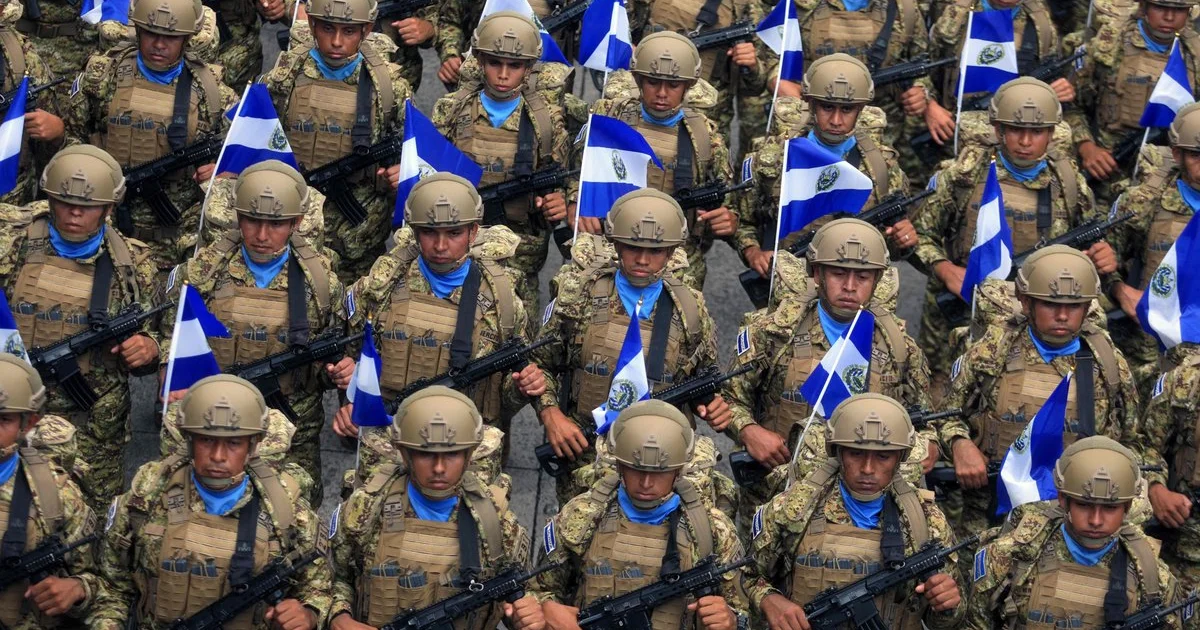
The situation escalated on October 18, 2026, when four Salvadoran military aviation technicians assigned to the GSF were ambushed and kidnapped by armed groups in the commune of Croix-des-Bouquets. In response, the Salvadoran government began deploying a contingent of more than 2,000 soldiers on October 21.
Now, three Salvadoran service members have lost their lives during the mission, leaving an irreversible wound in the lives of their families and loved ones.
No international commitment, diplomatic alliance or ambition to project an image of global leadership should come at the expense of the lives of a country’s citizens without serious scrutiny. El Salvador is a small nation of approximately seven million people, with an armed force of around 25,000 personnel. It cannot afford to overlook the risks of becoming directly involved in a conflict thousands of miles away.
Helping Haiti is a legitimate international objective. But that does not mean El Salvador should put its own people in harm without asking whether the mission’s objectives, risks and potential consequences justify the human cost.