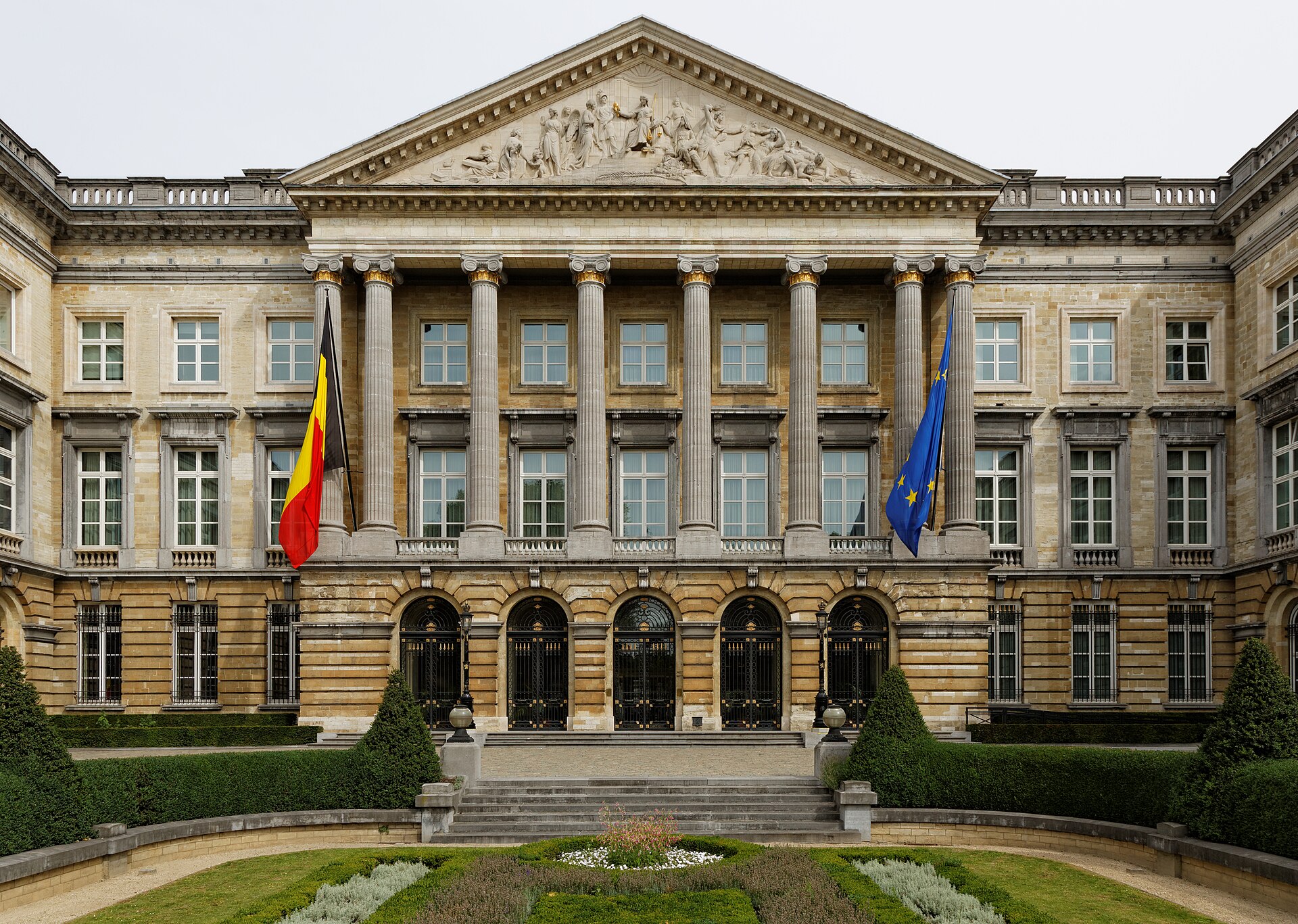

A new country in Europe faces a political crisis. On Monday, November 2, Belgian Prime Minister Bart De Wever drove to the Royal Palace and handed King Philippe his resignation, after the cabinet failed to reach an agreement over the 2027 federal budget.
Belgium needs to find ten billion euros to stay within the EU’s budget deficit limit and stabilise its finances. But the government’s coalition parties have different views on where to take the money from: while De Wever’s Flemish nationalist Nieuw-Vlaamse Alliantie and liberal Mouvement Réformateur sought significant cuts in healthcare and social spending, their centrist and socialist partners Les Engagées and Vooruit suggested raising revenues by taxing higher incomes. “This is an ideological battle over who should bear the cost of Belgium’s budget adjustment”, says Brussels-based journalist Marie-Flore Primez.
An already losing game
The current government was formed in February 2025 after seven months of negotiations, and brought to power the first nationalist Prime Minister, who had long called for the fragmentation of Belgium into Dutch-speaking Flanders and French-speaking Wallonia (now autonomous regions under the country’s federal system). Disagreement emerged already during last year’s budget talks, when De Wever asked the king for a 50-day extension of the budget approval deadline.
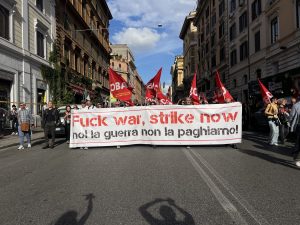
This time tensions are higher. Teachers in Belgium’s francophone region started protesting last May over proposed cuts to the education sector, which included a raise to annual tuition fees and unpaid extra work for secondary school teachers. At the same time, trade unions also called for a nationwide strike over the government’s pension and labour reforms. At the beginning of October, Belgian students marched through the streets of Brussels and Liège right after their French neighbours, demanding a better education system and a stop to austerity measures.
For the protesters, De Wever’s resignation is a positive signal. “People wanted at least something to happen. Not just, like, waiting around and completely ignoring what the students are saying, which is what they’ve kind of been doing so far. And now at least something is happening”, Anne, a 20-year-old student from Liège, comments.
Read also: Spain’s rail infrastructure under scrutiny
Standstill or ballots?
King Philippe has not yet accepted De Wever’s resignation, and a new meeting between the two is scheduled for Friday. According to Primez, the most likely outcome is for the crown to urge the politicians to find a new compromise. “Elections would be a last resort, especially since there is no guarantee they would produce a more stable majority”. The latest opinion polls, published on September 18, point to the extreme-right party Vlaams Belang as the leading one in Flanders, with 27.4% of votes if elections were held today. In Wallonia, the majority would support the socialist Parti Socialiste (29%), which is also gaining ground in the Brussels region. But if negotiations do not proceed soon, “the main risk is political paralysis at a time when Belgium urgently needs to get its public finances under control”, Primez notes.
There are economic concerns, especially when it comes to investors’ confidence and increasing borrowing costs. There is EU fiscal law, which requires those ten billion euros to come out, one way or another, by 2029. And then there are Belgian citizens: “Beyond economic consequences, the crisis risks further eroding trust in political institutions. Now, after months of protests, I expect growing frustration and political fatigue: many citizens feel that politicians are unable to agree on the country’s priorities”.