
“The crisis in publishing is now undeniable, and newsstand owners have to reinvent themselves. That’s why I started with an experiment”.
Massimo runs a newsstand in the Prati neighbourhood, in central Rome. What stands out behind him, though, isn’t the latest newspapers or magazines, but a wall of vinyl records. “There are more than 500 of them now” he says, and they play a vital role in his business.
For Massimo, vinyl is a life-long passion. His collection, which he shares with his uncle, has more than 40,000 records. About a year ago, however, that passion became part of his business out of necessity. Massimo dreams of expanding beyond music and news. His plan is to open his small newsstand to afternoon and evening events: hook up the speakers to his trusted turntable, pick a record, and complete the scene with beer, drinks and a few small tables. The project is still taking shape, and he admits it excites him. Ultimately, though, it’s a necessity. It’s a step forced on him by what he often calls a structural crisis in the distribution of newspapers and magazines in Italy.
Over the past 20 years, around 15,000 newsstands are reported to have closed across the country, and only 10,000 of those left are “pure”, meaning they sell publishing products exclusively. Turnover has collapsed from about 4.5 billion euros in 2005 to 1 billion at the end of 2024, while daily copies sold have fallen from around 7 million to around 1 million. According to the report Le edicole del futuro, il futuro delle edicole (The Newsstands of the Future, the Future of Newsstands) by Stampa Romana – the regional journalists’union for Lazio – and data analysis and consulting firm DataMediaHub, two-thirds of nearly eight thousand Italian municipalities (63%) no longer have a newsstand.
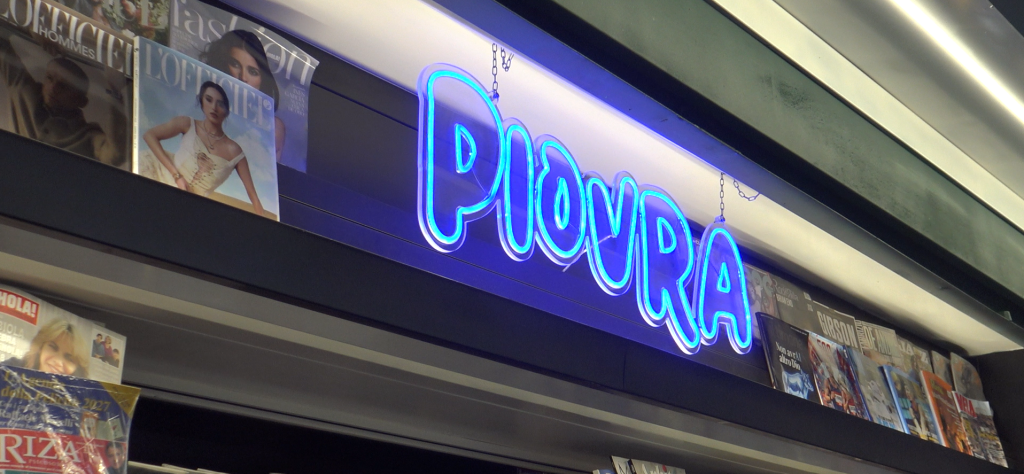
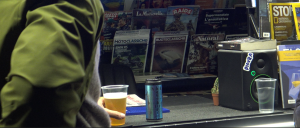
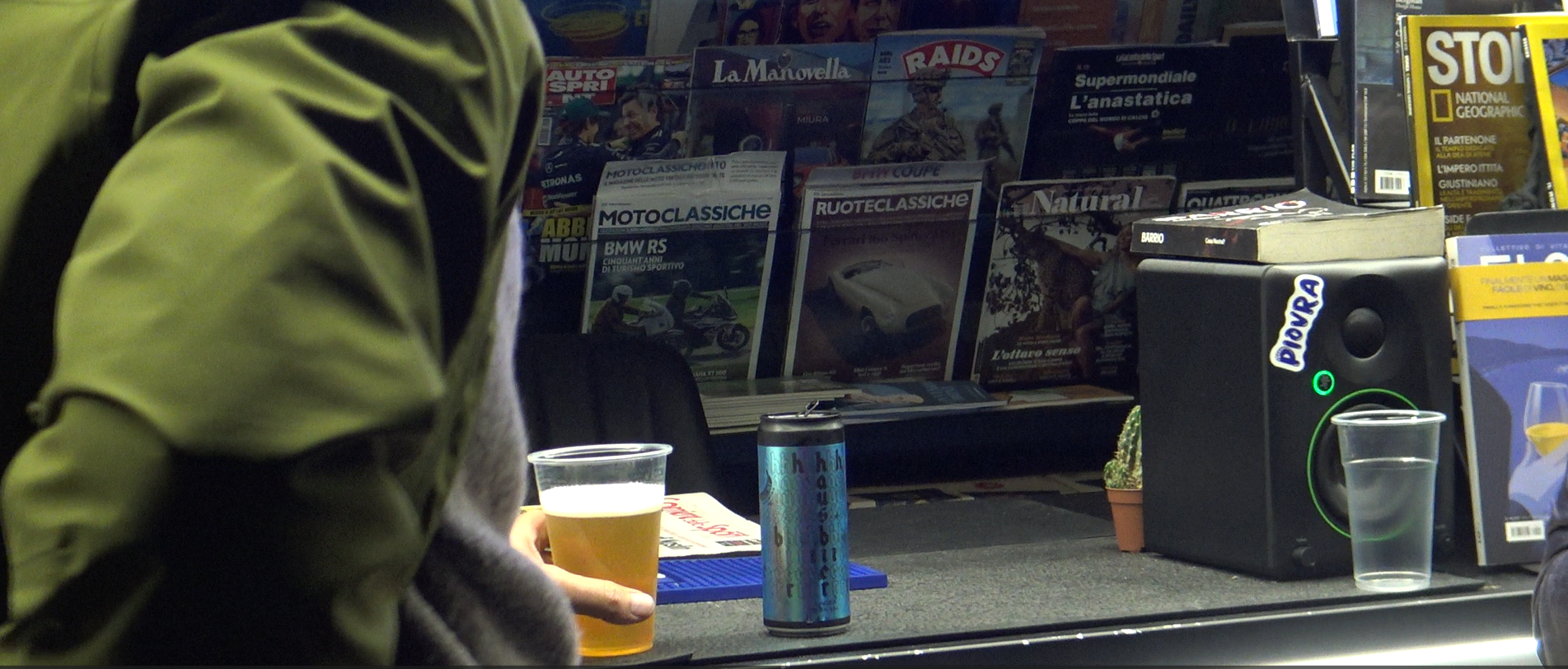
Other people choose the newsstand as a place to start over. On Corso Trieste, in Rome, Piovra has just opened. “An alternative newsstand,” as Bruno calls it, or rather “a place of social integration”, specifies. Bruno is the newsagent and – as one of the owners admits – the beating heart of the project, but the idea came from two lawyers and a surgeon. Antonio, Antonio and Simone took over the existing kiosk and renovated it to give it new life. “Alongside the newspapers, we sell packaged products: craft beers, single-serve bottled wines and snacks. We don’t serve drinks on the premises; we’re not allowed to, but extra services are essential today if you want to survive”. Every Thursday, Piovra also hosts music events: “We’re open to connecting with all kinds of worlds. We’re even trying to start a podcast and set up partnerships with outside companies”.
“People like Bruno remember you; they remember your name”, says Amir, a regular at Piovra who recently started helping with the music nights. “This kind of place can bring people, both young and not so young, back to newsstands”. The formula is simple: “someone walks by, gets curious, and maybe decides to pair a beer with a magazine or a book”. “Last week, I ended up buying a book I would never have come across otherwise”.
Unlike Massimo, Bruno and the founding partners of Piovra didn’t start out as newsstand owners. They became one by choice about a month ago, seizing on what looks like a serious crisis for publishing, but could become a springboard both for entrepreneurs and the sector itself. “This can be a starting point for giving new life to these businesses”, concludes Bruno. “It doesn’t have to stop here, and it could develop in other directions. For now, though, the foundation looks excellent”.