
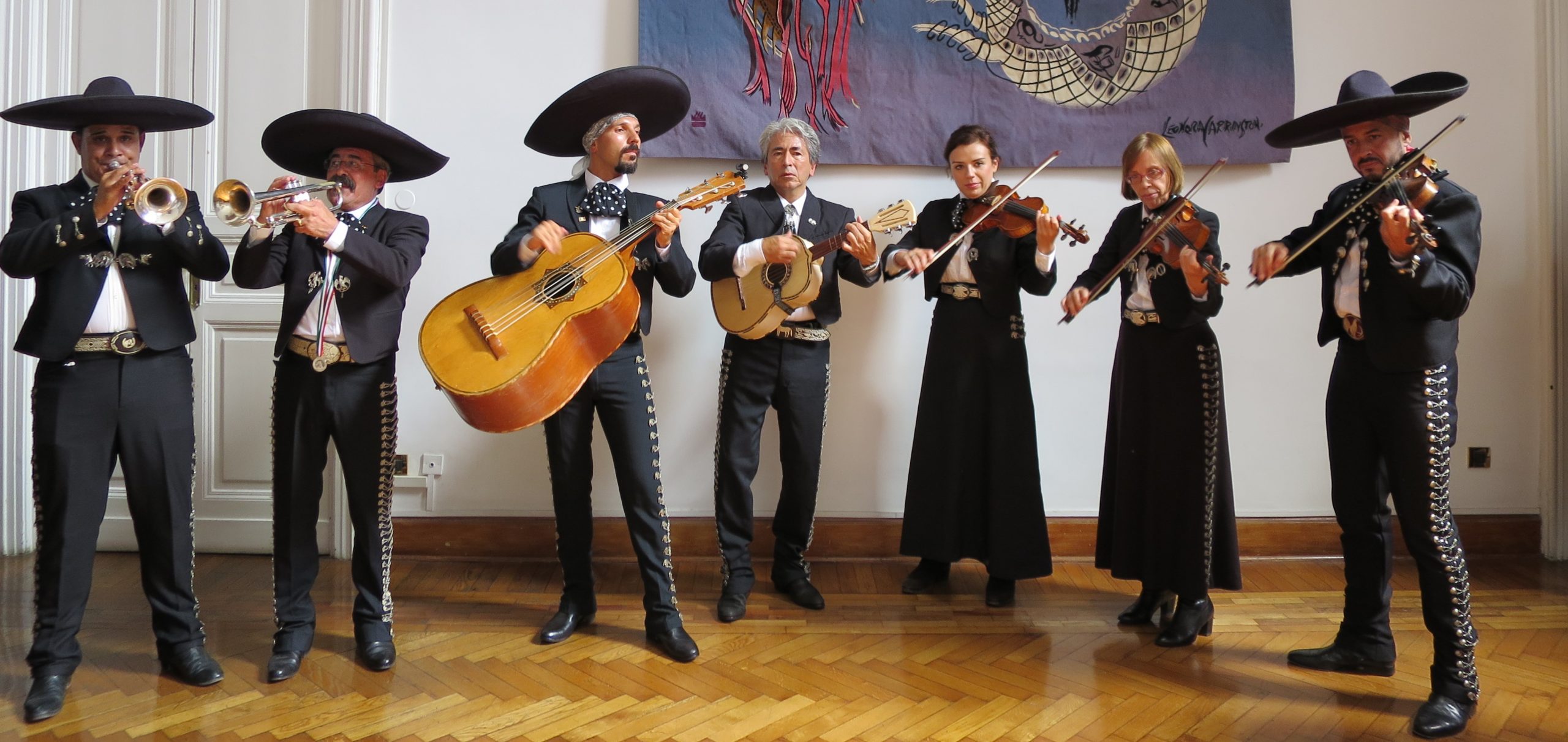

Musicians in Europe and the Middle East don’t typically wear black suits adorned with metal buckles and large matching sombreros. They might not have heard the combination of violins and trumpets, or a guitarrón, a large acoustic bass guitar.
The mariachi band Romatitlán has been sharing the traditional music with Rome since the 1980s, but now, it’s become well-known worldwide. “It’s mariachi that shows the characteristics and qualities not only of music, but of clothing, attitude and more. That’s what we are looking for, the most representative and the most authentic,” Fernando Hernandez Espejo, director of the band and vihuela player, said.
The group was created by a full-fledged Italian with no Mexican blood, Domenico Pasquini, in 1983. He was a musician who became fascinated by Mexican folk music, Espejo said Pasquini was Mexican in attitude. Ten years after its start, Espejo joined the band and formed a close bond with Pasquini before his death in 2000. “He left his enthusiasm for mariachi music, Mexican music and above all for Mexico.”
Romatitlán has 40 musicians in 2026, although up to 10 perform at a time. They have musicians for every staple mariachi instrument: the trumpet, guitarrón, vihuela (five-string guitar), guitar, violin and singers. Some performers are musicians at the Santa Cecilia Conservatory in Rome.
Espejo said the group has become “more or less” one of the most well-known mariachi bands in Europe. Not only have they performed in all 20 regions of Italy, but at Mexican embassies in different countries. For example, when the beer Corona announced it would be starting business in Ukraine, the Ukrainian Mexican embassy called Romatitlán to perform at a celebration honoring the deal.
“In Kiev, like all the places inside Italy and outside Italy, the most important experience for the members of the group is to see, feel and touch first hand the Mexican presence from the mariachi music.”
Romatitlán has also performed in Qatar, Kuwait and Algeria. North Africa was its first time in a predominantly Muslim country, but Espejo said the energy from the crowd was just as strong as any Mexican. “One thinks that they are detached from the values and appreciation of art from the West, but it was completely the opposite.”
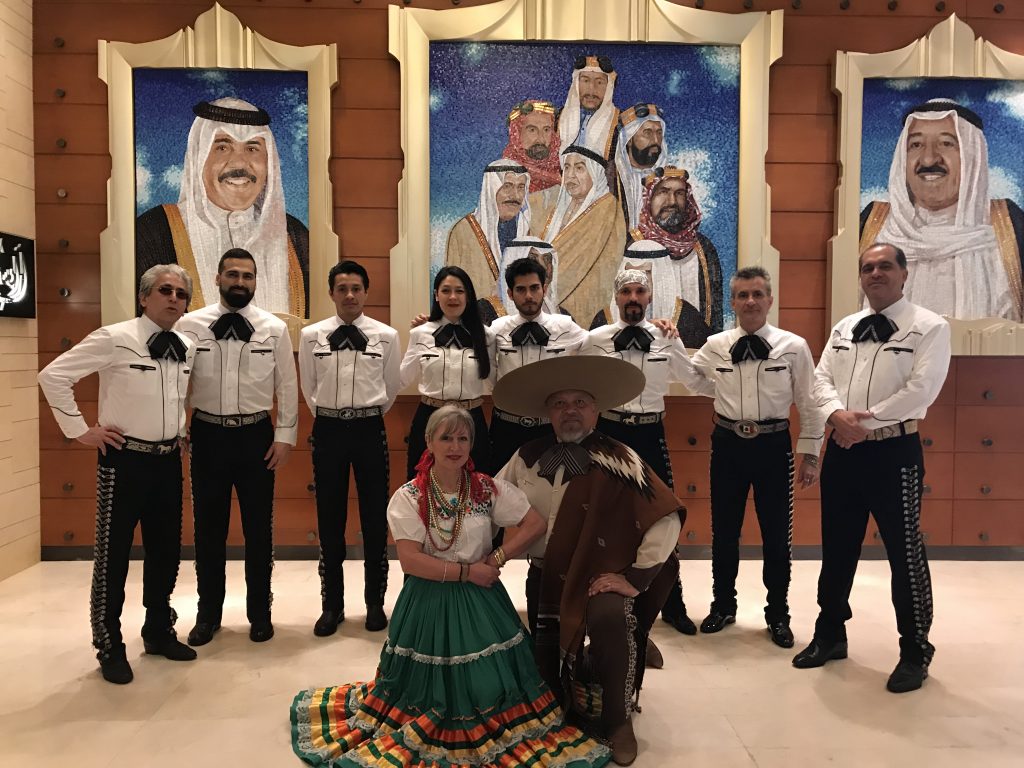
The group also has fans from the country of its cultural roots, Mexico. Commenters on its Facebook page cheer them on from back home. “Greetings from here in Colima,” wrote a commenter. “A hug from everyone in Tabasco,” said another. “What an honor for Mexico and Italy to have Romatitlan, I always talk about you guys in the mariachi museum of Cocula.”
In recent years, the band has performed at events that had nothing to do with Mexico or Latin America. “Ethnic music has become increasingly fascinating to people around the world,” Espejo said. The upbeat rhythms make mariachi music “seductive” and makes people “immediately identify with Mexico” despite having no connection to the country. “Mexico is not a place that goes unnoticed.”
Despite its worldwide stage, the band still has a “360 scope” and plays private events like weddings, birthdays, baptisms and funerals. Espejo said that choosing a favorite performance is like choosing a favorite child, but a memorable one for him was helping a young Italian man propose to his girlfriend. Though it was a simple performance, he will never forget the woman crying of happiness at the surprise serenade.
While the band is preparing for a June performance in front of the Florentine duomo, they are also preparing for the upcoming summer wedding season, and with it several performances for Mexicans, mixed-race marriages and those with no connection to Mexico alike.