
After ruling the charts throughout the 2010s, pop music seemed to fade under the weight of rap, hip-hop and Latin music in the late decade. Yet beneath the surface, the genre has quietly rebuilt itself, becoming more personal and visionary, as artists use it not just to entertain, but to express who they are.
As Andrea Conti, entertainment journalist for FQ Magazine, explains, pop’s comeback reflects a natural shift. “In America — and it hadn’t happened for 35 years — rap and trap have fallen off the charts. After an overdose of similar sounds, people are turning back to well-crafted pop songwriting.”
This evolution planted its seeds in 2024, when the major women in pop – from Taylor Swift to Beyoncé, Ariana Grande and Dua Lipa – released new music, each with a completely unique sound and vision, bringing back elements that had been overshadowed by hits designed for fifteen-second TikTok trends. Today’s biggest songs succeed not because they bend over social media, but because they stand on their own, and the artists have learned to take advantage of new platforms to amplify, not define, their music.
Indeed, this shows that pop’s revival isn’t just about sound, it’s also about identity. One of the main reasons why pop music is back in its prime is that artists have learned to build their own narratives and aesthetics. They have started to express themselves and the message they want to share not only through lyrics, but with recognizable concepts, colors and visuals as well, focusing on the so-called “pop persona” – the carefully crafted public identity that defines each artist’s universe. This doesn’t exist in isolation: it needs fan engagement, with audiences becoming active participants.
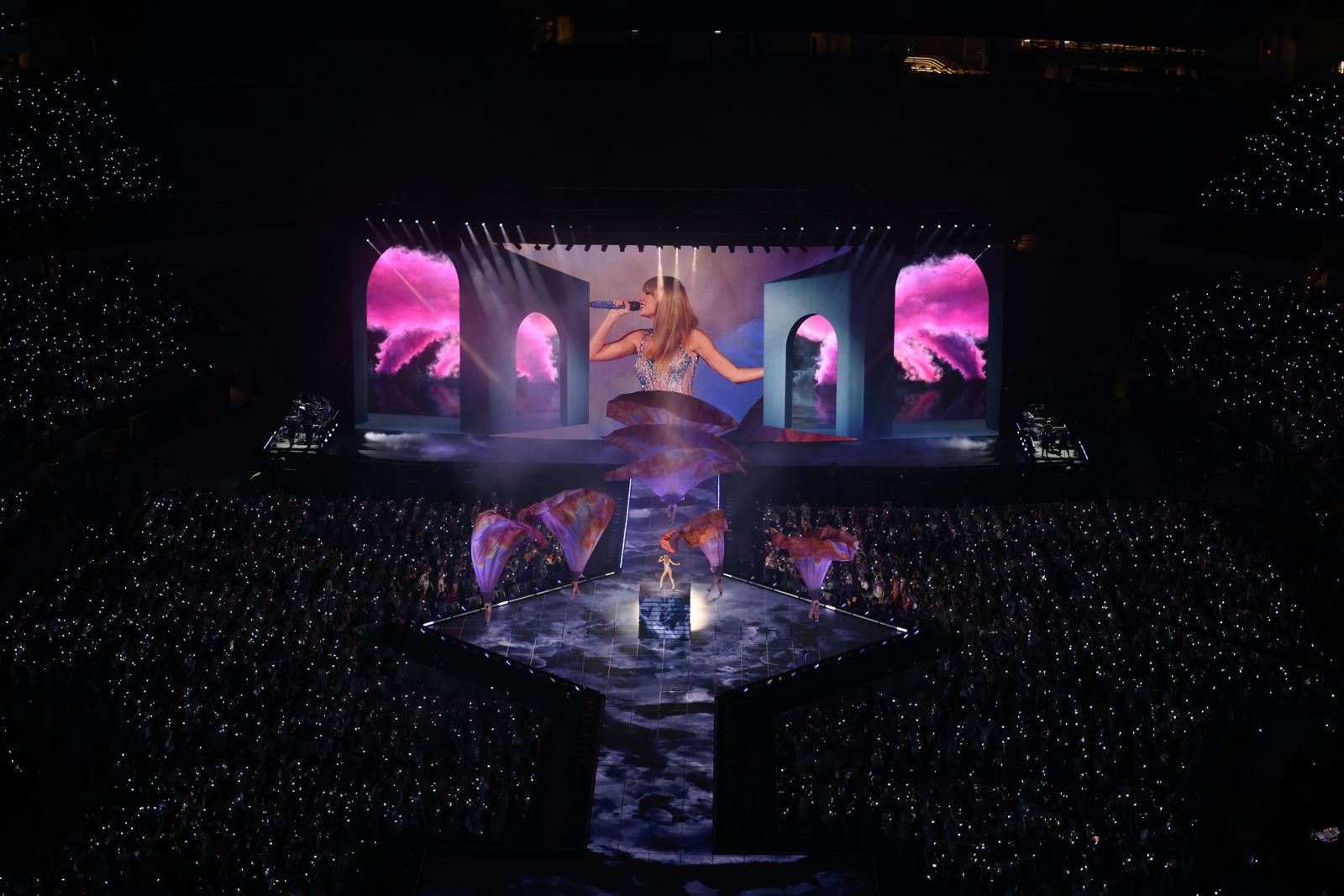
“Building a solid fanbase also involves clever marketing and image strategies,” explains Andrea Conti. “Taylor Swift first launched messages and then engaged fans in her philosophy and values – a clear example being the exchange of friendship bracelets at her concerts.”
In fact, Taylor Swift was one of the first to create an entire universe around her music. Each album has a completely different theme and color palette, filled with hidden easter eggs – scattered clues about background stories and upcoming music. All of this creates excitement and anticipation among her audience, making every release an event that reinforces their sense of community.
Many other artists are following the same path, from Beyoncé, whose latest project is divided into “acts” (Renaissance, Cowboy Carter, and the still-to-come Act III), to younger voices like Gracie Abrams, the new voice of confessional pop, and Charli XCX, whose Brat – an album with a minimalist cover – became a global cultural statement, defining Brat summer in 2024.
The pop renaissance and the rise of personal branding didn’t stop in the United States. It crossed borders, reaching Europe and Italy as well, where popstars with strong identities are reshaping the scene. As Conti notes, both Annalisa and Elodie are examples of a perfect balance: they have turned their image into an integral part of their success, backed by hit songs that have entered their audience’s collective imagination.
From the established stars to the new generation, pop continues to evolve. Gen Z artists have already learned the lesson. Each one of them is offering a unique world, from Camila Cabello’s C,XOXO, a chaotic love letter to Miami, to Zara Larsson, PinkPantheress and Addison Rae reviving Y2K aesthetics in their own way. The list could go on with Olivia Rodrigo’s high-school nostalgia and Tate McRae’s distinctive way of owning the stage, but the point is clear: pop music is in good hands and once again leading culture.